A#FCFGG# Guitar Tuner
A#FCFGG# | B♭FCFGA♭ Am7#5 - Guitar tuning, chords & scales
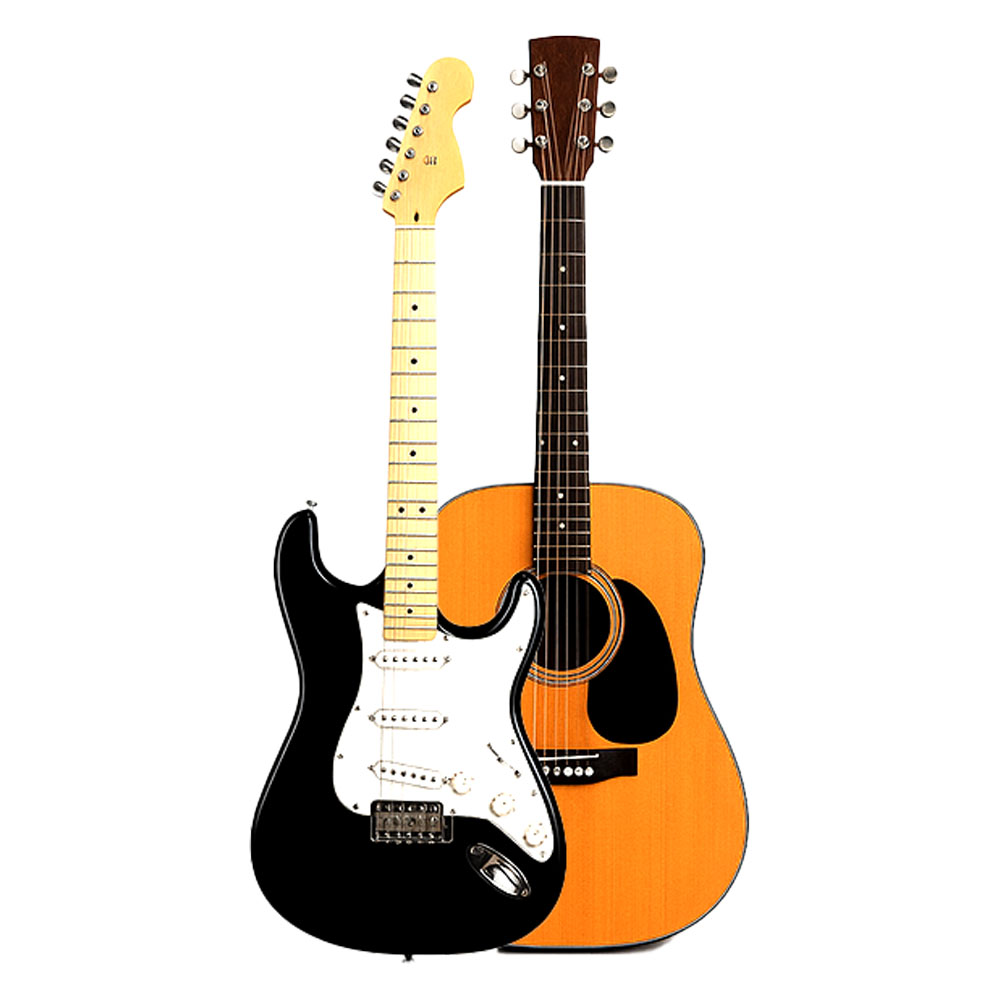
The tuning you've provided, aptly named "Am7#5", is a truly unique and highly custom setup for the Guitar, described by its user as their go-to for "everything". This suggests a versatile, albeit non-traditional, foundation for a specific playing style, likely favoring advanced harmonic exploration or particular melodic voicings.
Technical Analysis
This tuning deviates significantly from standard EADGBe, creating a complex and intriguing intervallic structure. The open strings are tuned to:
- Low E String (6th): A#2 (A sharp in the 2nd octave)
- A String (5th): F2 (F in the 2nd octave)
- D String (4th): C3 (C in the 3rd octave)
- G String (3rd): F3 (F in the 3rd octave)
- B String (2nd): G3 (G in the 3rd octave)
- High E String (1st): G#4 (G sharp in the 4th octave)
The resulting open chord, A#2-F2-C3-F3-G3-G#4, is harmonically rich and highly dissonant as a direct strum, containing the root (A#), a diminished 5th (F), a Major 2nd (C), a Major 6th (G), and a Major 7th (G#). This collection of notes (A#, C, F, G, G#) doesn't immediately spell out a conventional "Am7#5" chord (which would typically be A, C, F, G). Instead, it presents a complex intervallic landscape, perhaps intended to make specific chord shapes or voicings easily accessible across the fretboard rather than being a simple open chord.
Playing & Chordal Observations
The wide array of notes and large shifts from standard tuning suggest this is not a tuning for conventional chord strumming. Instead, it would excel in:
- Avant-Garde & Experimental Music: The dissonant open intervals provide a unique sound palette.
- Fingerstyle & Arpeggios: The open strings offer intriguing harmonic possibilities when picked individually, especially with the repeated F notes (5th and 3rd strings) for drones.
- Modal Playing: The non-diatonic nature of the open strings could lend itself well to exploring specific modes or scales that feature these intervals.
- Creative Voicings: Players might find that complex chords, or even the target Am7#5, become easier to fret with one or two fingers in certain positions, leveraging the custom open string relationships.
This tuning invites exploration beyond standard chord shapes, pushing the player towards unique melodic lines, resonant harmonics, and complex textural compositions.
How to Tune Your Guitar
To achieve the "Am7#5" tuning, you will need to make significant adjustments to your strings from standard EADGBe tuning. Please proceed with caution, especially with the larger movements. For string movements exceeding 4 semitones down, it is generally advised to consider a heavier string gauge to maintain adequate string tension and prevent floppiness or buzzing.
- 6th String (Low E): Tune down 6 semitones to A#2. (Caution: A substantial drop in tension. A heavier gauge string is advised to maintain playability.)
- 5th String (A): Tune down 4 semitones to F2. (Caution: A notable drop in tension. A heavier gauge string is advised to maintain playability.)
- 4th String (D): Tune down 2 semitones to C3.
- 3rd String (G): Tune down 2 semitones to F3.
- 2nd String (B): Tune down 4 semitones to G3. (Caution: A notable drop in tension. A heavier gauge string is advised to maintain playability.)
- 1st String (High E): Tune down 8 semitones to G#4. (Caution: A very significant drop in tension. A much heavier gauge string is strongly advised to achieve playable tension.)
6th String (Low): A2#
5th String: F2
4th String: C3
3rd String: F3
2nd String: G3
1st String (High): G4#
Loading an obscene
amount of Chords
Loading an obscene
amount of Scales
Loading Tuning Map
Loading Tuning Data
Comments - have your say on A#FCFGG#
Please use the below form to submit a song for A#FCFGG# that is not already on gtdb.org.
Videos for A#FCFGG# on





Tuning Map
- Fret
- S6
- S5
- S4
- S3
- S2
- S1
- -13
- D#
- G#
- C#
- F#
- A#
- D#
- -12
- E
- A
- D
- G
- B
- E
- -11
- F
- A#
- D#
- G#
- C
- F
- -10
- F#
- B
- E
- A
- C#
- F#
- -9
- G
- C
- F
- A#
- D
- G
- -8
- G#
- C#
- F#
- B
- D#
- G#
- -7
- A
- D
- G
- C
- E
- A
- -6
- A#
- D#
- G#
- C#
- F
- A#
- -5
- B
- E
- A
- D
- F#
- B
- -4
- C
- F
- A#
- D#
- G
- C
- -3
- C#
- F#
- B
- E
- G#
- C#
- -2
- D
- G
- C
- F
- A
- D
- -1
- D#
- G#
- C#
- F#
- A#
- D#
- 0
- E
- A
- D
- G
- B
- E
- 1
- F
- A#
- D#
- G#
- C
- F
- 2
- F#
- B
- E
- A
- C#
- F#
- 3
- G
- C
- F
- A#
- D
- G
- 4
- G#
- C#
- F#
- B
- D#
- G#
- 5
- A
- D
- G
- C
- E
- A
- 6
- A#
- D#
- G#
- C#
- F
- A#
- 7
- B
- E
- A
- D
- F#
- B
- -6
- -4
- -2
- -2
- -4
- -8
 © 2026 GTDB