CADGCC Guitar Tuner
CADGCC Open C Variant - Guitar tuning, chords & scales
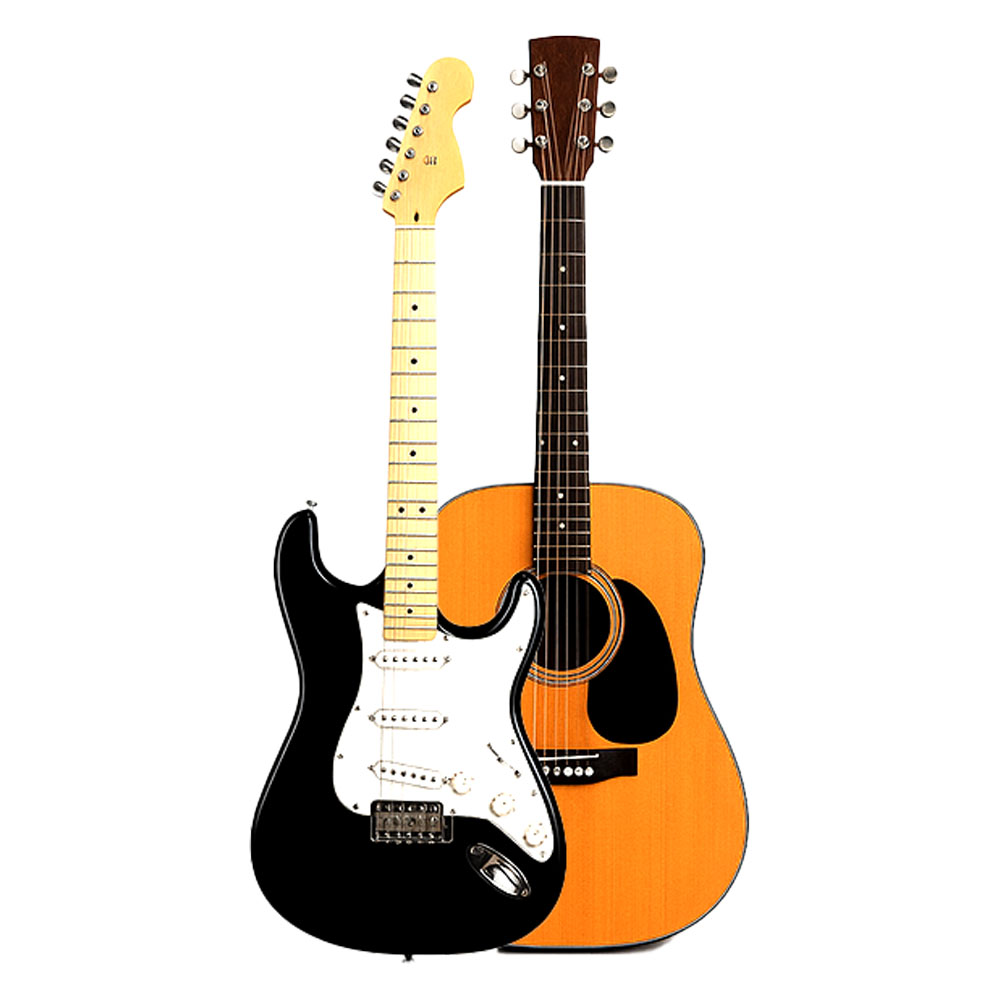
This analysis describes a unique Guitar tuning, which we've named Open C Add2/6 Suspension. While the provided JSON describes it as an "open c variant" with an "added c on high e", the overall string configuration of C2 A2 D3 G3 C4 C4 deviates significantly from a traditional Open C tuning (C G C G C E), offering a distinct harmonic landscape.
Verbal Analysis
Forget standard major or minor shapes – this tuning opens up a world of ethereal, open, and resonant sounds. The absence of a major third (E) means that an open strum will not immediately resolve to a strong C major chord, instead creating a suspended, slightly melancholic, or contemplative harmony. The double C's on the highest strings provide a shimmering, bell-like quality, making it excellent for fingerstyle, atmospheric compositions, and drone-based music. It's a tuning that encourages exploration beyond conventional chord shapes, focusing on resonant textures and modal harmonies.
Technical Analysis
The tuning notes for the guitar, from lowest (6th) to highest (1st) string, are C2 A2 D3 G3 C4 C4. Compared to standard E Standard tuning (E2 A2 D3 G3 B3 E4), several strings undergo significant changes. The open string voicing of C A D G C C reveals a C-based harmony. Analyzing the intervals from the root C: Root (C), Major 6th (A), Major 2nd/9th (D), Perfect 5th (G), Octave (C), Octave (C). This unique combination forms a C6/9(sus4) chord. This structure allows for rich, open voicings and smooth transitions between chords by simply fretting a few notes, or even by barring across the entire fretboard to transpose the C6/9(sus4) shape to other keys.
Chords and Playability
With the open strings sounding a C6/9(sus4), this tuning is highly versatile for creating lush soundscapes. Strumming all open strings provides a full, harmonically rich C-based chord without a jarring major or minor feel. Sliding a single finger up the low C string (6th string) can quickly introduce new harmonic possibilities. Barre chords become easy to form, translating the C6/9(sus4) shape to other roots (e.g., a barre at the 2nd fret would produce a D6/9(sus4)). Experiment with suspended chords, modal melodies, and arpeggios that leverage the open string drones. The close proximity of C's on the 1st and 2nd strings offers interesting unison and octave opportunities.
How to Tune Your Guitar
Please note that strings tuned down or up more than 4 semitones may benefit from a different string gauge to maintain optimal tension and prevent damage.
- 6th String (Low E): Tune down 4 semitones to C2. This is a substantial drop from E and might require a heavier gauge string for optimal tension.
- 5th String (A): Keep as is; no change (0 semitones) to A2.
- 4th String (D): Keep as is; no change (0 semitones) to D3.
- 3rd String (G): Keep as is; no change (0 semitones) to G3.
- 2nd String (B): Tune up 1 semitone to C4. This is a minor adjustment and should be safe for most string gauges.
- 1st String (High E): Tune down 4 semitones to C4. This is also a significant drop from E and might benefit from a heavier gauge string to avoid a 'floppy' feel.
Low E String (6th String): Tuned to C2
A String (5th String): Tuned to A2
D String (4th String): Tuned to D3
G String (3rd String): Tuned to G3
B String (2nd String): Tuned to C4
High E String (1st String): Tuned to C4
Loading an obscene
amount of Chords
Loading an obscene
amount of Scales
Loading Tuning Map
Loading Tuning Data
Comments - have your say on CADGCC
Capos for CADGCC
| Capo | Tuning | Name |
|---|---|---|
| 0 | CADGCC | Open C Variant |
Please use the below form to submit a song for CADGCC that is not already on gtdb.org.
Videos for CADGCC on














Tuning Map
- Fret
- S6
- S5
- S4
- S3
- S2
- S1
- -13
- D#
- G#
- C#
- F#
- A#
- D#
- -12
- E
- A
- D
- G
- B
- E
- -11
- F
- A#
- D#
- G#
- C
- F
- -10
- F#
- B
- E
- A
- C#
- F#
- -9
- G
- C
- F
- A#
- D
- G
- -8
- G#
- C#
- F#
- B
- D#
- G#
- -7
- A
- D
- G
- C
- E
- A
- -6
- A#
- D#
- G#
- C#
- F
- A#
- -5
- B
- E
- A
- D
- F#
- B
- -4
- C
- F
- A#
- D#
- G
- C
- -3
- C#
- F#
- B
- E
- G#
- C#
- -2
- D
- G
- C
- F
- A
- D
- -1
- D#
- G#
- C#
- F#
- A#
- D#
- 0
- E
- A
- D
- G
- B
- E
- 1
- F
- A#
- D#
- G#
- C
- F
- 2
- F#
- B
- E
- A
- C#
- F#
- 3
- G
- C
- F
- A#
- D
- G
- 4
- G#
- C#
- F#
- B
- D#
- G#
- 5
- A
- D
- G
- C
- E
- A
- 6
- A#
- D#
- G#
- C#
- F
- A#
- 7
- B
- E
- A
- D
- F#
- B
- -4
- 0
- 0
- 0
- 1
- -4
 © 2026 GTDB