CGA#DCE Guitar Tuner
CGA#DCE | CGB♭DCE CGA♯DCE - Guitar tuning, chords & scales
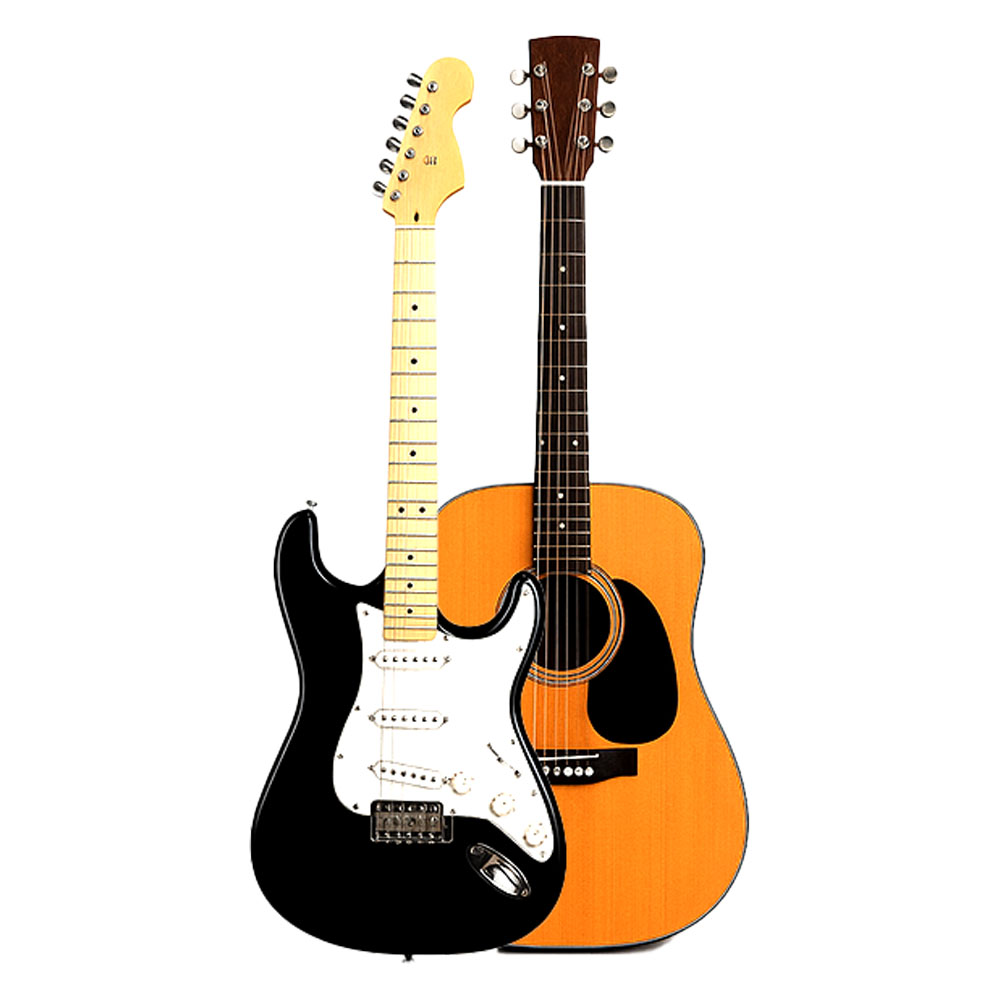
The creator describes this tuning as 'pretty nice' and 'making sense,' an assessment we can certainly agree with. This is a highly versatile tuning that immediately suggests a rich, bluesy, and extended harmonic palette. It feels both grounded and exploratory, offering a unique blend of familiar and unconventional note relationships.
Technical Analysis:
This tuning sets the guitar strings to the following open notes, from the lowest (6th string) to the highest (1st string):
- 6th String: C2
- 5th String: G2
- 4th String: A♯3
- 3rd String: D3
- 2nd String: C4
- 1st String: E4
Analyzing the intervals relative to the lowest C (C2) reveals a sophisticated harmonic structure:
- C2 (Root)
- G2 (Perfect 5th)
- A♯3 (Minor 7th, an octave up)
- D3 (Major 9th, an octave up)
- C4 (Octave)
- E4 (Major 3rd, two octaves up)
This arrangement presents a fascinating blend of minor and major tonalities. The lowest three strings (C-G-A♯, where A♯ is enharmonically B♭) establish a strong C minor 7th chord without the third. The higher strings, featuring D3, C4, and E4, introduce the Major 3rd (E) and Major 9th (D), allowing for easy transitions between C minor, C major, and various extended chords.
Open Chord Possibilities and Shapes:
The 'C Minor Bloom' tuning provides a rich canvas for chord voicings:
- C Minor Triad: Easily accessible on the lower strings by playing C2, G2, A♯3. This provides a deep, resonant C minor sound.
- C Major Triad: Can be formed by utilizing the low C2 and G2, and then jumping to C4 and E4 on the higher strings (C2-G2-C4-E4). This bypasses the minor 7th, creating a bright C major.
- C7/C9 Voicings: The presence of C, G, A♯ (B♭), and D across the open strings makes various C7 and C9 voicings readily available. For example, C2-G2-A♯3-D3 provides a C9 chord (without the 3rd). Adding the E4 on the highest string transforms this into a highly colorful extended dominant or major chord, depending on context and omitted notes.
- Root-5th Power Chords: The adjacent C2 and G2 on the lowest strings make power chords rooted on C very thick and powerful. Similar two-string power chords can be easily moved across the fretboard.
- Blues and Jazz Textures: The combination of the minor 7th (A♯) with the major 3rd (E) on different strings invites bluesy bends and jazz fusion explorations, allowing players to quickly shift between major and minor harmonies or create dominant 7th sounds with ease.
- Unique Droning: The two C notes an octave apart (C2 and C4) offer a strong drone potential, providing a stable harmonic center for melodic improvisation.
This tuning encourages exploration beyond standard chord shapes, opening up possibilities for unique arpeggios, open string voicings, and slide guitar techniques.
Tuning Notes:
Your guitar strings should be tuned to the following notes, from the thickest (6th string) to the thinnest (1st string):
- 6th String: C2
- 5th String: G2
- 4th String: A♯3
- 3rd String: D3
- 2nd String: C4
- 1st String: E4
How to Tune:
To achieve the 'C Minor Bloom' tuning, follow these instructions carefully. Pay close attention to strings that require significant tuning adjustments, as these may benefit from a different string gauge for optimal tension and tone.
- 6th String (Low E): Tune down 4 semitones to C2. This is a significant drop; consider a heavier gauge string for optimal tension and tone.
- 5th String (A): Tune down 2 semitones to G2.
- 4th String (D): Tune down 4 semitones to A♯3 (B♭3). This is a substantial adjustment; a heavier gauge string might be beneficial here.
- 3rd String (G): Tune down 5 semitones to D3. This is a considerable drop. A heavier gauge string is strongly advised to maintain playability and prevent excessive floppiness.
- 2nd String (B): Tune up 1 semitone to C4. This is a minor adjustment.
- 1st String (High E): Keep as is; no change (0 semitones).
Loading an obscene
amount of Chords
Loading an obscene
amount of Scales
Loading Tuning Map
Loading Tuning Data
Comments - have your say on CGA#DCE
Capos for CGA#DCE
| Capo | Tuning | Name |
|---|---|---|
| 0 | CGA#DCE | CGA♯DCE |
Please use the below form to submit a song for CGA#DCE that is not already on gtdb.org.
Videos for CGA#DCE on


Tuning Map
- Fret
- S6
- S5
- S4
- S3
- S2
- S1
- -13
- D#
- G#
- C#
- F#
- A#
- D#
- -12
- E
- A
- D
- G
- B
- E
- -11
- F
- A#
- D#
- G#
- C
- F
- -10
- F#
- B
- E
- A
- C#
- F#
- -9
- G
- C
- F
- A#
- D
- G
- -8
- G#
- C#
- F#
- B
- D#
- G#
- -7
- A
- D
- G
- C
- E
- A
- -6
- A#
- D#
- G#
- C#
- F
- A#
- -5
- B
- E
- A
- D
- F#
- B
- -4
- C
- F
- A#
- D#
- G
- C
- -3
- C#
- F#
- B
- E
- G#
- C#
- -2
- D
- G
- C
- F
- A
- D
- -1
- D#
- G#
- C#
- F#
- A#
- D#
- 0
- E
- A
- D
- G
- B
- E
- 1
- F
- A#
- D#
- G#
- C
- F
- 2
- F#
- B
- E
- A
- C#
- F#
- 3
- G
- C
- F
- A#
- D
- G
- 4
- G#
- C#
- F#
- B
- D#
- G#
- 5
- A
- D
- G
- C
- E
- A
- 6
- A#
- D#
- G#
- C#
- F
- A#
- 7
- B
- E
- A
- D
- F#
- B
- -4
- -2
- -4
- -5
- 1
- 0
 © 2026 GTDB