C#AC#EA Banjo Tuner
C#AC#EA | D♭AD♭EA AC#AC#E - Banjo tuning, chords & scales
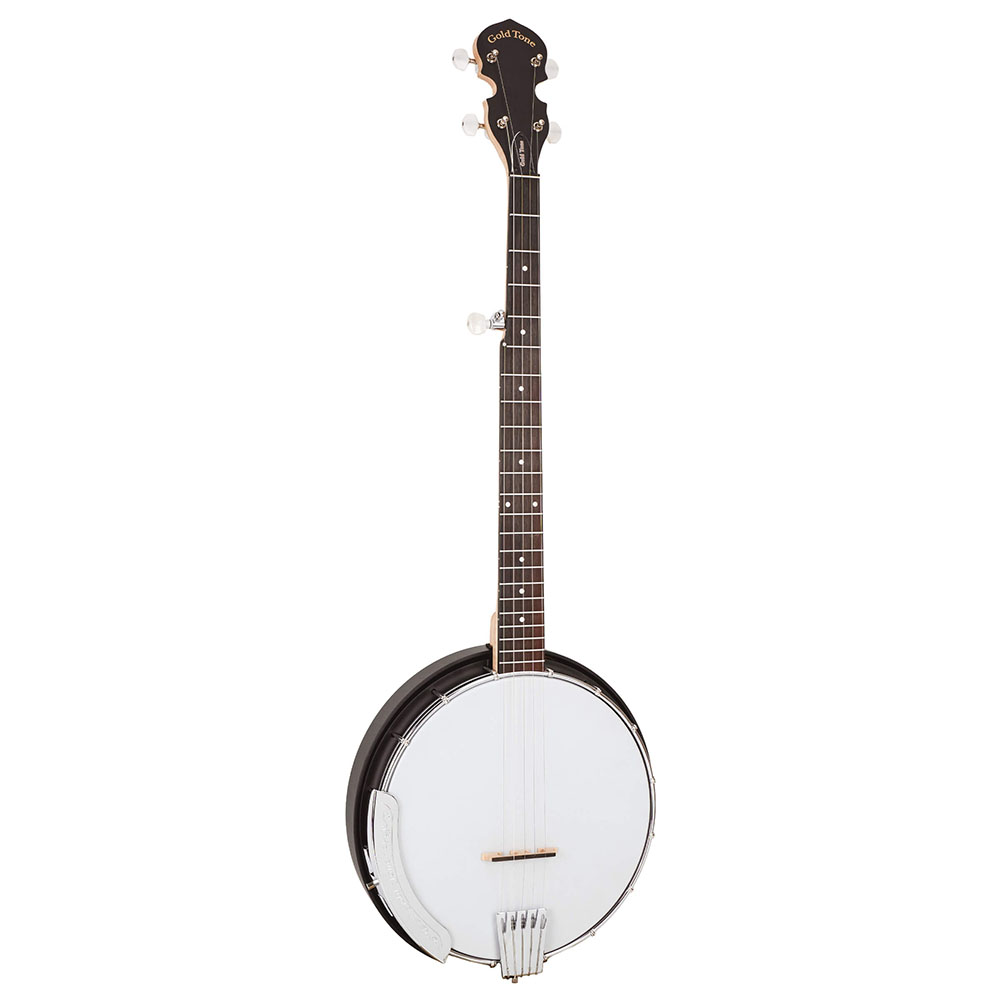
Tuning Analysis: aC#AC#E (Banjo)
This intriguing Banjo tuning, named "aC#AC#E", is noted for its use in the song "The Eternal Worm Devours Appalachia". It presents a bright and resonant sound, characteristic of open tunings, making it particularly suitable for drone effects and melodic playing. The description highlights the 5th string (traditionally the high drone string on a Banjo) as the drone string, emphasizing its role in maintaining a continuous harmonic foundation.
Technical Breakdown:
The open notes for this tuning, from the 5th string (high drone) to the 1st string (lowest pitched playing string), are:
- String 5 (Drone): C#4
- String 4: A3
- String 3: C#5
- String 2: E4
- String 1: A4
When played open, these strings collectively form an A Major chord (A - C# - E) across several octaves. The notes in ascending order are A3, C#4, E4, A4, and C#5. This arrangement provides a full, rich A Major tonality without any fretting, making it an excellent foundation for playing in the key of A Major or its relative minor, F# minor. The C#4 on the drone string adds a bright, major third quality right from the outset, contributing to the tuning's distinctive character and melodic potential.
Chordal Opportunities:
Given its open A Major configuration, this Banjo tuning naturally lends itself to a variety of easy-to-reach chords and melodic phrases:
- Open A Major: As described, simply strumming all open strings produces a rich, resonant A Major chord, perfect for drone effects and establishing the tonic.
- Barre Chords: By barring all strings at a single fret, you can easily transpose the open A Major chord to other major keys, allowing for quick key changes and modal shifts:
- Barring at the 2nd fret yields a B Major chord.
- Barring at the 3rd fret yields a C Major chord.
- Barring at the 5th fret yields a D Major chord.
- Barring at the 7th fret yields an E Major chord.
- Implied Minors and Suspended Chords: The open structure often makes it easier to find chord fragments and suspended voicings with minimal finger movement, particularly chords related to A Major, such as D Major and E Major, or even relative minors like F# minor by altering specific notes.
This tuning encourages a melodic and often modal approach, with the high C# drone adding a distinctive flavor suitable for Appalachian-style music, traditional folk, or contemporary compositions seeking a bright, resonant, and harmonically rich backdrop.
How to Tune to aC#AC#E (Banjo)
Important Safety Note: This tuning requires significant upward tension increases for all strings. Tuning up 4 semitones or more can put considerable stress on your instrument and strings. It is highly recommended to consider using lighter gauge strings for this tuning to prevent string breakage and potential damage to your Banjo. Exercise extreme caution and tune slowly.
- String 5 (Drone String): Tune to C#4, tuning up 4 semitones.
- String 4: Tune to A3, tuning up 7 semitones.
- String 3: Tune to C#5, tuning up 6 semitones.
- String 2: Tune to E4, tuning up 5 semitones.
- String 1: Tune to A4, tuning up 5 semitones.
Always use a reliable tuner and check your intonation after tuning, especially with such large pitch changes. Listen carefully for any signs of excessive string tension or strain on your instrument.
Loading an obscene
amount of Chords
Loading an obscene
amount of Scales
Loading Tuning Map
Loading Tuning Data
Comments - have your say on C#AC#EA
Capos for C#AC#EA
| Capo | Tuning | Name |
|---|---|---|
| 0 | C#AC#EA | AC#AC#E |
Please use the below form to submit a song for C#AC#EA that is not already on gtdb.org.
Tuning Map
- Fret
- S5
- S4
- S3
- S2
- S1
- -13
- G#
- C#
- F#
- A#
- D#
- -12
- A
- D
- G
- B
- E
- -11
- A#
- D#
- G#
- C
- F
- -10
- B
- E
- A
- C#
- F#
- -9
- C
- F
- A#
- D
- G
- -8
- C#
- F#
- B
- D#
- G#
- -7
- D
- G
- C
- E
- A
- -6
- D#
- G#
- C#
- F
- A#
- -5
- E
- A
- D
- F#
- B
- -4
- F
- A#
- D#
- G
- C
- -3
- F#
- B
- E
- G#
- C#
- -2
- G
- C
- F
- A
- D
- -1
- G#
- C#
- F#
- A#
- D#
- 0
- A
- D
- G
- B
- E
- 1
- A#
- D#
- G#
- C
- F
- 2
- B
- E
- A
- C#
- F#
- 3
- C
- F
- A#
- D
- G
- 4
- C#
- F#
- B
- D#
- G#
- 5
- D
- G
- C
- E
- A
- 6
- D#
- G#
- C#
- F
- A#
- 7
- E
- A
- D
- F#
- B
- 4
- 7
- 6
- 5
- 5
 © 2026 GTDB