DGEDGC Guitar Tuner
DGEDGC Dgedgc - Guitar tuning, chords & scales
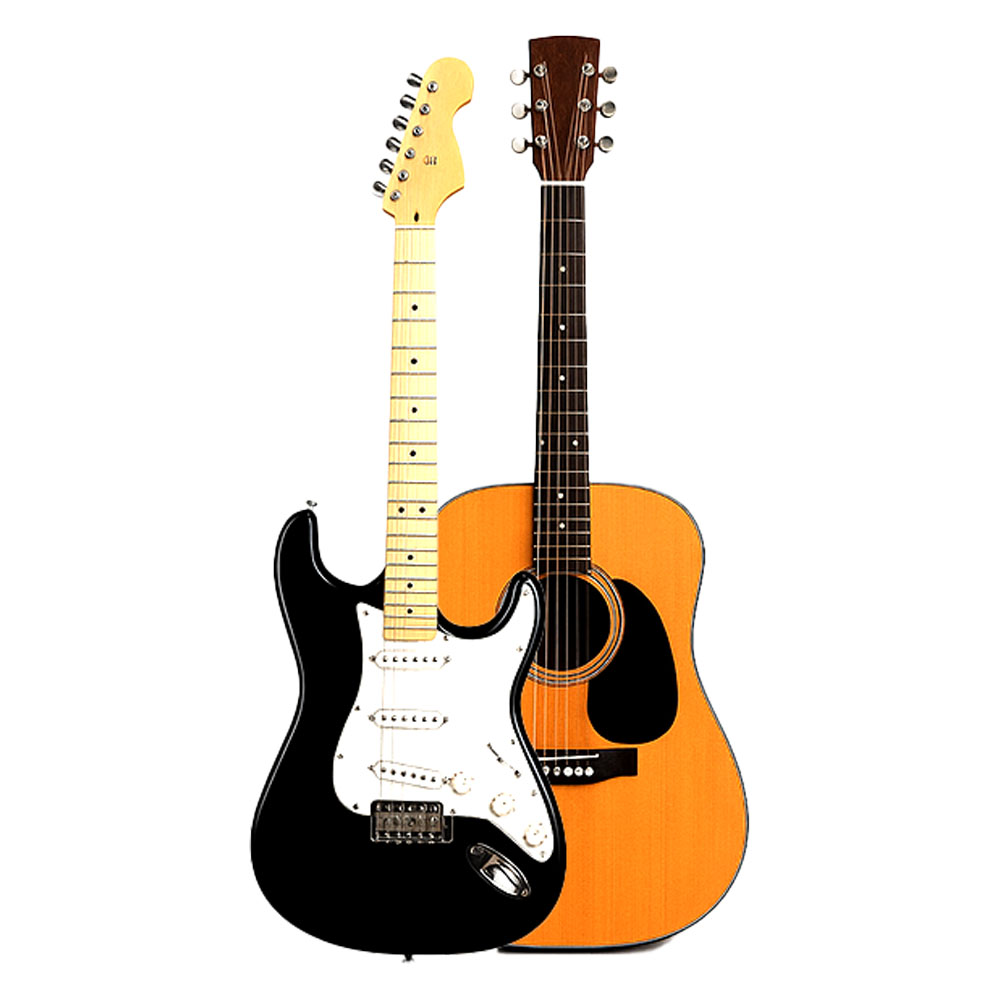
This is a highly distinctive and resonant open tuning for the guitar, famously utilized by the virtuoso fingerstyle guitarist Calum Graham in his evocative song "Waiting." It fundamentally transforms the instrument, opening up a world of rich, open harmonies, shimmering drones, and unique melodic possibilities, making it particularly well-suited for intricate fingerstyle compositions.
Technical Analysis:
Compared to standard E-A-D-G-B-E tuning, this setup involves significant adjustments across almost all strings:
- The low E string (6th) is tuned down a whole step to D2.
- The A string (5th) is tuned down a whole step to G2.
- The D string (4th) is tuned up a whole step to E3.
- The G string (3rd) is tuned down a perfect fourth (or five semitones) to D3.
- The B string (2nd) is tuned down a major third (or four semitones) to G3.
- The high E string (1st) is tuned down a major third (or four semitones) to C4.
The resulting open string notes are D2 G2 E3 D3 G3 C4 (from lowest to highest). Analyzing the open chord, we find the notes C, D, E, G. This creates a complex and open harmony. With D as the foundational bass note, the open strings suggest a Dsus4 with an added major 2nd (E) and a minor 7th (C), giving it a rich, almost modal quality. The combination of D, G, and C on the top three strings (D3-G3-C4) forms a series of perfect fourths, a common characteristic of modern open tunings that lends itself to a wide, expansive sound. The strong presence of D and G throughout the tuning (D2, G2, D3, G3) provides a resonant, anchoring quality, allowing for melodic exploration over a stable harmonic bed.
Chords and voicings that often emerge naturally from this tuning include open D minor shapes, G major shapes, and C major voicings, often with added color tones. The fingerings for standard chords will be completely different, encouraging players to discover new harmonic possibilities and inversions across the fretboard. The altered string tensions, particularly the significantly lowered tension on strings 3, 2, and 1, allow for expressive bends and vibrato, making it ideal for the nuanced playing style Calum Graham is known for.
Notes Description:
- 6th String (Low E): Tuned to D2. This is the deepest bass note, forming the foundation of the tuning.
- 5th String (A): Tuned to G2. This string complements the low D, creating a powerful open perfect fourth interval.
- 4th String (D): Tuned to E3. This note adds a major second or ninth color to the D and G.
- 3rd String (G): Tuned to D3. This reinforces the tonic D, an octave higher than the 6th string.
- 2nd String (B): Tuned to G3. This note completes a G chord with the 5th and 3rd strings (G2-D3-G3) while adding to the overall harmony.
- 1st String (High E): Tuned to C4. This highest string provides a minor seventh to the overall D harmony, adding a rich, melancholic, or jazzy flavor.
How to Tune:
Adjust your guitar from standard E-A-D-G-B-E tuning according to the following string movements. Please take care when tuning up or down more than 4 semitones, as a different string gauge may be advised to maintain optimal playability and string integrity.
- 6th String (E): Tune down 2 semitones to D2.
- 5th String (A): Tune down 2 semitones to G2.
- 4th String (D): Tune up 2 semitones to E3.
- 3rd String (G): Tune down 5 semitones to D3. (Note: Tuning down 5 semitones is a significant change; considering a heavier gauge string for this position may be advised for better tension and tone.)
- 2nd String (B): Tune down 4 semitones to G3. (Note: Tuning down 4 semitones is at the limit for standard gauges; a different gauge string may be advised if you experience excessive looseness or poor intonation.)
- 1st String (High E): Tune down 4 semitones to C4. (Note: Tuning down 4 semitones is at the limit for standard gauges; a different gauge string may be advised if you experience excessive looseness or poor intonation.)
Loading an obscene
amount of Chords
Loading an obscene
amount of Scales
Loading Tuning Map
Loading Tuning Data
Comments - have your say on DGEDGC
Capos for DGEDGC
| Capo | Tuning | Name |
|---|---|---|
| 0 | DGEDGC | Dgedgc |
Please use the below form to submit a song for DGEDGC that is not already on gtdb.org.
Videos for DGEDGC on






Tuning Map
- Fret
- S6
- S5
- S4
- S3
- S2
- S1
- -13
- D#
- G#
- C#
- F#
- A#
- D#
- -12
- E
- A
- D
- G
- B
- E
- -11
- F
- A#
- D#
- G#
- C
- F
- -10
- F#
- B
- E
- A
- C#
- F#
- -9
- G
- C
- F
- A#
- D
- G
- -8
- G#
- C#
- F#
- B
- D#
- G#
- -7
- A
- D
- G
- C
- E
- A
- -6
- A#
- D#
- G#
- C#
- F
- A#
- -5
- B
- E
- A
- D
- F#
- B
- -4
- C
- F
- A#
- D#
- G
- C
- -3
- C#
- F#
- B
- E
- G#
- C#
- -2
- D
- G
- C
- F
- A
- D
- -1
- D#
- G#
- C#
- F#
- A#
- D#
- 0
- E
- A
- D
- G
- B
- E
- 1
- F
- A#
- D#
- G#
- C
- F
- 2
- F#
- B
- E
- A
- C#
- F#
- 3
- G
- C
- F
- A#
- D
- G
- 4
- G#
- C#
- F#
- B
- D#
- G#
- 5
- A
- D
- G
- C
- E
- A
- 6
- A#
- D#
- G#
- C#
- F
- A#
- 7
- B
- E
- A
- D
- F#
- B
- -2
- -2
- 2
- -5
- -4
- -4
 © 2026 GTDB