DG#DG#G#D Guitar Tuner
DG#DG#G#D | DA♭DA♭A♭D D Tritone - Guitar tuning, chords & scales
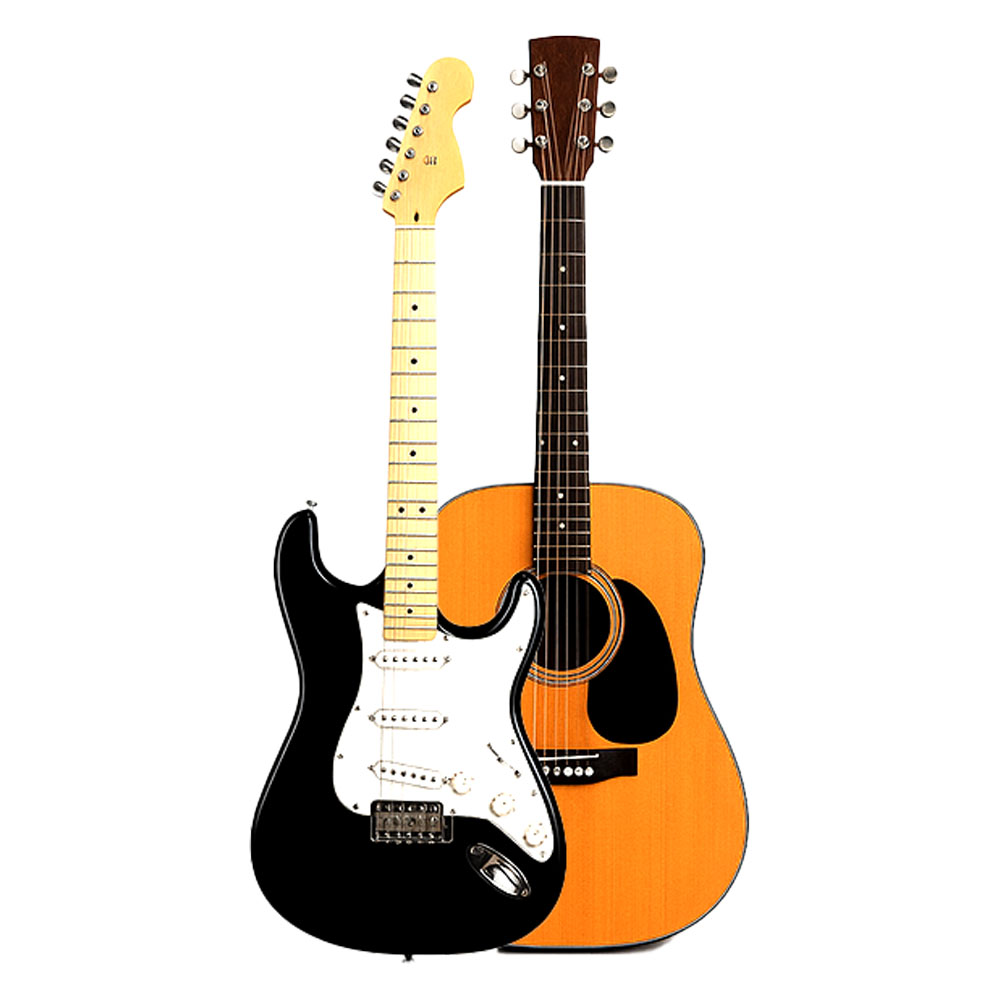
This unique tuning, which we've named D Tritone Octave, immediately strikes with a dissonant yet compelling character. As its original description succinctly hints, it's all about D and G#, creating a powerful, open-string tension that resonates deeply.
Verbal Analysis
The D Tritone Octave tuning evokes a suspended, almost haunting sound. It's not a tuning for traditional major-key strumming but rather for exploring darker, more mysterious soundscapes. The prominent tritone interval (D to G#) provides an inherent tension, making it ideal for experimental music, blues, or film scoring where a sense of unease or anticipation is desired. The repetition of D and G# notes across different octaves provides a strong, almost drone-like foundation, allowing for rich, resonant textures that can be both sparse and full at the same time.
Technical Analysis
The open strings are meticulously arranged to D2 (6th string), G#3 (5th string), D3 (4th string), G#4 (3rd string), G#4 (2nd string), and D4 (1st string). This configuration is built upon a D root and its augmented fourth (G#), which forms a tritone interval. Harmonically, it can be interpreted as a Dsus#4 or Dadd#11 without the major third, or even a fragment of a G# diminished 7th chord (G#-B-D-F) if one considers the inherent intervallic relationships. The octave repetition of D and G# is key to its character, facilitating powerful drone playing and sustained notes.
While traditional major or minor chords are not readily available in the open position, the tuning excels with:
- Slide Guitar: The consistent tritone interval across frets makes it highly suitable for slide playing, allowing for fluid glissandos that maintain the characteristic tension.
- Drone-based Music: The open strings themselves form a rich, resonant drone, perfect for ambient or minimalist compositions.
- Melodic Exploration: Single-note melodies played over the open drone can create striking and expressive lines.
Barring any fret on all strings will simply transpose the D-G# tritone up or down the neck, preserving the inherent dissonant interval. This unique property encourages a more linear or textural approach to playing rather than conventional chord progressions.
Chords Within Reach
Given the tuning's nature, traditional full major or minor chords are challenging to form easily. However, the tuning is excellent for:
- Octave Drones: Playing just the 6th (D2), 4th (D3), and 1st (D4) strings simultaneously yields a powerful, open D octave chord.
- Octave Drones (Tritone): Similarly, playing the 5th (G#3), 3rd (G#4), and 2nd (G#4) strings creates a strong, resonant G# octave chord.
- Two-Note Power Chords: Simple two-note chords utilizing the D and G# notes at various octaves can create driving, rhythmic patterns or atmospheric soundscapes. For instance, playing the 6th string D2 and the 5th string G#3 provides the core tritone, which can be moved up the neck.
- Suspended Voicings: Experimenting with single fingers to add a third (F# or F) to the D notes, or a fifth (D#) to the G# notes, can lead to interesting suspended or altered chord voicings that capitalize on the open string drone.
Tuning Notes and How to Tune Your Guitar
Here are the notes for the D Tritone Octave tuning, string by string:
- 6th String (Low E string in standard tuning): D2
- 5th String (A string in standard tuning): G#3
- 4th String (D string in standard tuning): D3
- 3rd String (G string in standard tuning): G#4
- 2nd String (B string in standard tuning): G#4
- 1st String (High E string in standard tuning): D4
How to Tune
To achieve the D Tritone Octave tuning, follow these specific adjustments from standard EADGBe tuning. Please tune carefully and check the pitch frequently.
- 6th String (Low E to D2): Tune down 2 semitones.
- 5th String (A to G#3): Tune down 1 semitones.
- 4th String (D to D3): Keep as is; no change (0 semitones).
- 3rd String (G to G#4): Tune up 1 semitones.
- 2nd String (B to G#4): Tune down 3 semitones.
- 1st String (High E to D4): Tune down 2 semitones.
Note on String Gauge: For tunings that require movements of more than 4 semitones up or down, it is generally advised to consider using a different string gauge to ensure optimal tension and prevent string breakage or intonation issues. For this specific tuning, all string adjustments are within a safe range.
Loading an obscene
amount of Chords
Loading an obscene
amount of Scales
Loading Tuning Map
Loading Tuning Data
Comments - have your say on DG#DG#G#D
Capos for DG#DG#G#D
| Capo | Tuning | Name |
|---|---|---|
| 0 | DG#DG#G#D | D Tritone |
Please use the below form to submit a song for DG#DG#G#D that is not already on gtdb.org.
Videos for DG#DG#G#D on














Tuning Map
- Fret
- S6
- S5
- S4
- S3
- S2
- S1
- -13
- D#
- G#
- C#
- F#
- A#
- D#
- -12
- E
- A
- D
- G
- B
- E
- -11
- F
- A#
- D#
- G#
- C
- F
- -10
- F#
- B
- E
- A
- C#
- F#
- -9
- G
- C
- F
- A#
- D
- G
- -8
- G#
- C#
- F#
- B
- D#
- G#
- -7
- A
- D
- G
- C
- E
- A
- -6
- A#
- D#
- G#
- C#
- F
- A#
- -5
- B
- E
- A
- D
- F#
- B
- -4
- C
- F
- A#
- D#
- G
- C
- -3
- C#
- F#
- B
- E
- G#
- C#
- -2
- D
- G
- C
- F
- A
- D
- -1
- D#
- G#
- C#
- F#
- A#
- D#
- 0
- E
- A
- D
- G
- B
- E
- 1
- F
- A#
- D#
- G#
- C
- F
- 2
- F#
- B
- E
- A
- C#
- F#
- 3
- G
- C
- F
- A#
- D
- G
- 4
- G#
- C#
- F#
- B
- D#
- G#
- 5
- A
- D
- G
- C
- E
- A
- 6
- A#
- D#
- G#
- C#
- F
- A#
- 7
- B
- E
- A
- D
- F#
- B
- -2
- -1
- 0
- 1
- -3
- -2
 © 2026 GTDB