EADGCG Guitar Tuner
EADGCG EADGCG - Guitar tuning, chords & scales
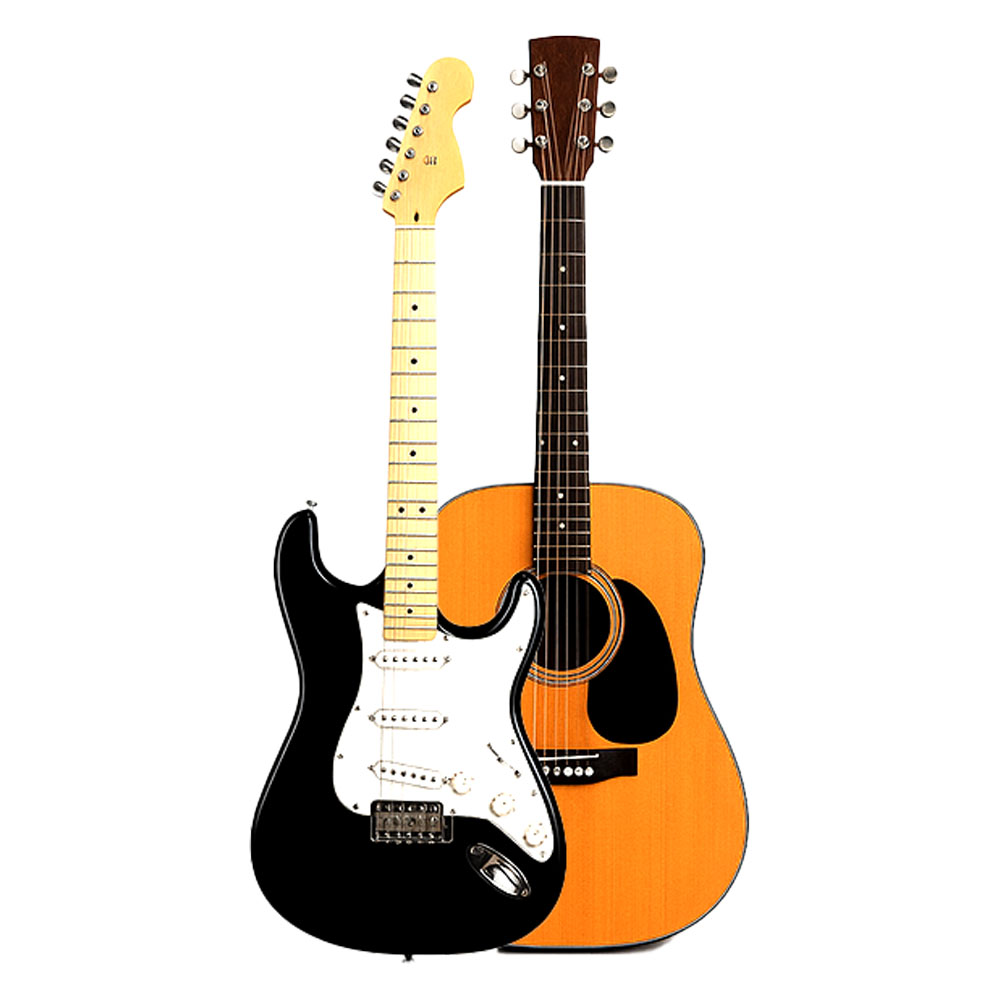
The Modified Standard Gsus4 Tuning offers a unique blend of familiarity and open resonance, making it an excellent choice for players looking to expand their sonic palette while retaining a connection to standard tuning. This tuning keeps the foundational four bass strings (E-A-D-G) in their conventional standard pitches, providing a solid and recognizable base for rhythm, bass lines, and familiar chord shapes.
Technical Analysis:
The open string configuration is E2 A2 D3 G3 C4 G4. The crucial alterations occur on the higher strings: the B string is tuned up by one semitone to C4, and the high E string is tuned up by three semitones to G4.
This creates a striking open voicing on the top three strings (G3-C4-G4), which forms a Gsus4 chord (specifically, a G-C-G voicing, which implies the Gsus4 without the 5th, D). This suspended quality gives the tuning a naturally open, modal, and sometimes ethereal sound, avoiding the definitive major or minor quality often found in standard or common open tunings.
Verbal and Chords Analysis:
- Open Chord Resonances:
- Strumming the top three strings (G3-C4-G4) yields an immediate, resonant Gsus4 chord. This makes it ideal for ambient textures, folk melodies, or rock anthems that benefit from a suspended, un-resolved sound.
- Strumming all six open strings (E-A-D-G-C-G) provides a rich, complex cluster that centers around Gsus4 over an E bass, offering a deep, droning texture.
- Familiarity with Standard: The lower E-A-D-G strings remaining standard means that many familiar riffs, bass lines, and power chords in the lower register will still be accessible without significant re-learning. This eases the transition for players accustomed to standard tuning.
- Power Chords on Higher Strings: The C4 and G4 on the two highest strings create a perfect fifth interval. This makes it incredibly easy to play power chords by simply barring across these two strings at any fret. For example, barring at the 1st fret gives C#-G#, at the 3rd fret gives D#-A#, and so on. This offers a powerful, sustained sound, particularly useful for rock or heavy genres.
- Chord Voicings: While traditional major and minor triads on the top strings require specific fretwork, the open nature encourages creative two- and three-note voicings. For instance, moving the G3 on string 3 up to A at the second fret, while keeping C4-G4 open, creates an Am7sus4 voicing. Experimentation with partial chords and drones is highly encouraged in this tuning.
- Ideal For: This tuning shines in genres like folk, progressive rock, ambient music, and fingerstyle, where open string resonance and suspended harmonies are valued. It offers a fresh perspective while grounding the player with familiar lower string intervals.
Open String Notes:
- String 6 (Low E): E2
- String 5 (A): A2
- String 4 (D): D3
- String 3 (G): G3
- String 2 (B): C4
- String 1 (High E): G4
How to Tune:
To achieve the Modified Standard Gsus4 Tuning from standard E-A-D-G-B-E, follow these steps:
- String 6 (Low E): Keep as is; no change (0 semitones). Tune to E2.
- String 5 (A): Keep as is; no change (0 semitones). Tune to A2.
- String 4 (D): Keep as is; no change (0 semitones). Tune to D3.
- String 3 (G): Keep as is; no change (0 semitones). Tune to G3.
- String 2 (B string): Tune up 1 semitones. Tune the B string up to C4. This is a small adjustment and generally safe.
- String 1 (High E string): Tune up 3 semitones. Tune the high E string up to G4. This is a moderate adjustment; proceed with care. Generally, tuning up 4 or more semitones from standard might require a different gauge string for optimal tension and safety, but 3 semitones is usually acceptable.
Always tune carefully and ensure your instrument can handle the changes in string tension.
Loading an obscene
amount of Chords
Loading an obscene
amount of Scales
Loading Tuning Map
Loading Tuning Data
Comments - have your say on EADGCG
Please use the below form to submit a song for EADGCG that is not already on gtdb.org.
Videos for EADGCG on











Tuning Map
- Fret
- S6
- S5
- S4
- S3
- S2
- S1
- -13
- D#
- G#
- C#
- F#
- A#
- D#
- -12
- E
- A
- D
- G
- B
- E
- -11
- F
- A#
- D#
- G#
- C
- F
- -10
- F#
- B
- E
- A
- C#
- F#
- -9
- G
- C
- F
- A#
- D
- G
- -8
- G#
- C#
- F#
- B
- D#
- G#
- -7
- A
- D
- G
- C
- E
- A
- -6
- A#
- D#
- G#
- C#
- F
- A#
- -5
- B
- E
- A
- D
- F#
- B
- -4
- C
- F
- A#
- D#
- G
- C
- -3
- C#
- F#
- B
- E
- G#
- C#
- -2
- D
- G
- C
- F
- A
- D
- -1
- D#
- G#
- C#
- F#
- A#
- D#
- 0
- E
- A
- D
- G
- B
- E
- 1
- F
- A#
- D#
- G#
- C
- F
- 2
- F#
- B
- E
- A
- C#
- F#
- 3
- G
- C
- F
- A#
- D
- G
- 4
- G#
- C#
- F#
- B
- D#
- G#
- 5
- A
- D
- G
- C
- E
- A
- 6
- A#
- D#
- G#
- C#
- F
- A#
- 7
- B
- E
- A
- D
- F#
- B
- 0
- 0
- 0
- 0
- 1
- 3
 © 2026 GTDB