EGBFGA Guitar Tuner
EGBFGA Lament Type Tuning - Guitar tuning, chords & scales
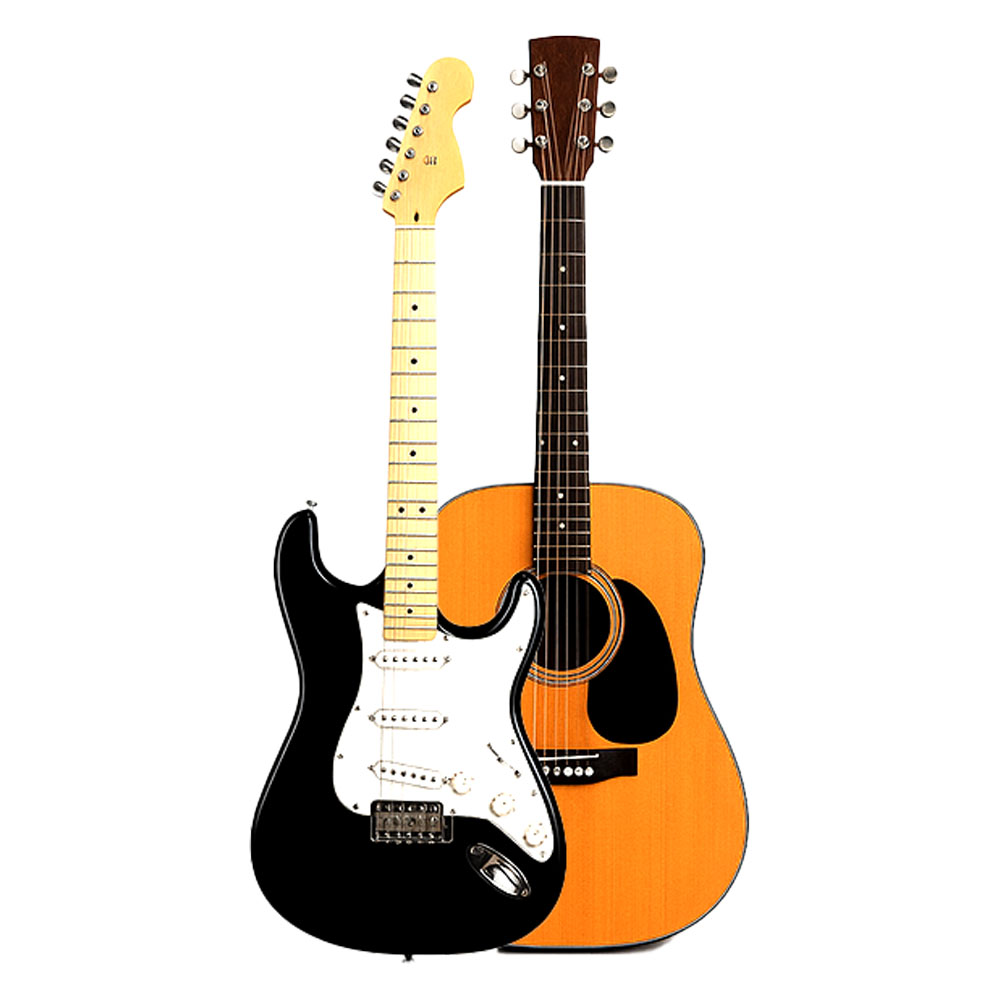
Tuning Overview: Lament Type Tuning
This is a unique and deeply expressive Guitar tuning, aptly named "Lament type tuning". As its name and description suggest, it's designed to evoke a super sad and melancholic atmosphere, perfectly suited for symphonic textures, introspective pieces, and genres that thrive on rich, dark harmonies. The tuning encourages a style of playing that prioritizes mood and depth over conventional chord shapes, inviting the player to explore dissonant beauty and haunting melodies.
Verbal Analysis
The open strings of E-G-B-F-G-A immediately present a somber sonic palette. The lowest three strings (E-G-B) form a clear E minor triad, providing a stable, melancholic foundation. However, the subsequent strings introduce significant tension: the F3 breaks the diatonic E minor scale, creating a dissonant minor ninth interval with the root E, and a tritone with the B. This F natural, alongside the G and A on the higher strings, creates a complex, often suspended or unsettled quality. It's not a tuning for strumming major chords; instead, it's a canvas for creating expansive soundscapes, drone-based compositions, and poignant melodic lines.
Chords in this tuning will often feature open strings for a ringing, resonant quality. While a full open E minor chord can be easily achieved by striking the lowest three strings (E2-G2-B2), the upper strings introduce a fascinating challenge and opportunity. The sequence F3-G3-A3 on strings 3-2-1 forms a tight cluster, which can be used for atmospheric swells or to create a suspended sound, like an Fsus2 or Gsus4 when played in isolation. The overall effect is incredibly dark, introspective, and capable of conveying profound emotional depth, making it ideal for film scoring, ambient music, or experimental metal subgenres. For even heavier sounds, as the description suggests, tuning down a full step would push it into territories suitable for death or groove metal, where its inherent darkness would truly shine.
Technical Analysis
The open notes are E2-G2-B2-F3-G3-A3. Let's look at the intervals from the lowest string:
- String 6 (E2) to String 5 (G2): Minor Third (3 semitones).
- String 5 (G2) to String 4 (B2): Major Third (4 semitones).
- String 4 (B2) to String 3 (F3): Diminished Fifth (or Augmented Fourth, 6 semitones). This is the tritone, a historically "devilish" interval, contributing significantly to the melancholic and tense feel.
- String 3 (F3) to String 2 (G3): Major Second (2 semitones).
- String 2 (G3) to String 1 (A3): Major Second (2 semitones).
The combination of the E minor triad on the lowest strings, followed by the striking tritone and subsequent whole steps, creates a rich harmonic landscape. This is not a common open chord tuning, but rather a modal or arpeggiated voicing, encouraging open string drones and melodic explorations. The presence of the F natural against the E root creates a deeply suspended and slightly dissonant character, which is the heart of its "lament" quality.
How to Tune (from Standard EADGBe)
This tuning requires significant adjustments from standard tuning. Please be mindful of string tension, especially for strings tuned down considerably. Standard tuning for a 6-string guitar is E2-A2-D3-G3-B3-E4.
- String 6 (Low E): Keep as is; no change (0 semitones). Remains E2.
- String 5 (A): Tune down 2 semitones. Becomes G2.
- String 4 (D): Tune down 3 semitones. Becomes B2.
- String 3 (G): Tune down 2 semitones. Becomes F3.
- String 2 (B): Tune down 4 semitones. Becomes G3. Caution: Tuning down 4 semitones is a significant drop; consider a heavier gauge string for optimal tension and intonation if this is your primary tuning.
- String 1 (High E): Tune down 7 semitones. Becomes A3. Warning: Tuning down 7 semitones (a perfect fifth plus a whole step) will make this string very loose. A heavier gauge string is strongly advised to maintain playability and intonation.
Given the substantial tuning down on multiple strings, particularly strings 2 and 1, a heavier gauge string set is highly recommended to ensure proper tension, intonation, and sustain, making the playing experience more consistent and enjoyable.
The open string notes for this tuning are as follows:
String 6: E2
String 5: G2
String 4: B2
String 3: F3
String 2: G3
String 1: A3
Loading an obscene
amount of Chords
Loading an obscene
amount of Scales
Loading Tuning Map
Loading Tuning Data
Comments - have your say on EGBFGA
Capos for EGBFGA
| Capo | Tuning | Name |
|---|---|---|
| 0 | EGBFGA | Lament Type Tuning |
Please use the below form to submit a song for EGBFGA that is not already on gtdb.org.
Videos for EGBFGA on














Tuning Map
- Fret
- S6
- S5
- S4
- S3
- S2
- S1
- -13
- D#
- G#
- C#
- F#
- A#
- D#
- -12
- E
- A
- D
- G
- B
- E
- -11
- F
- A#
- D#
- G#
- C
- F
- -10
- F#
- B
- E
- A
- C#
- F#
- -9
- G
- C
- F
- A#
- D
- G
- -8
- G#
- C#
- F#
- B
- D#
- G#
- -7
- A
- D
- G
- C
- E
- A
- -6
- A#
- D#
- G#
- C#
- F
- A#
- -5
- B
- E
- A
- D
- F#
- B
- -4
- C
- F
- A#
- D#
- G
- C
- -3
- C#
- F#
- B
- E
- G#
- C#
- -2
- D
- G
- C
- F
- A
- D
- -1
- D#
- G#
- C#
- F#
- A#
- D#
- 0
- E
- A
- D
- G
- B
- E
- 1
- F
- A#
- D#
- G#
- C
- F
- 2
- F#
- B
- E
- A
- C#
- F#
- 3
- G
- C
- F
- A#
- D
- G
- 4
- G#
- C#
- F#
- B
- D#
- G#
- 5
- A
- D
- G
- C
- E
- A
- 6
- A#
- D#
- G#
- C#
- F
- A#
- 7
- B
- E
- A
- D
- F#
- B
- 0
- -2
- -3
- -2
- -4
- -7
 © 2026 GTDB