EG#D#GA#D# Guitar Tuner
EG#D#GA#D# | EA♭E♭GB♭E♭ Open Free - Guitar tuning, chords & scales
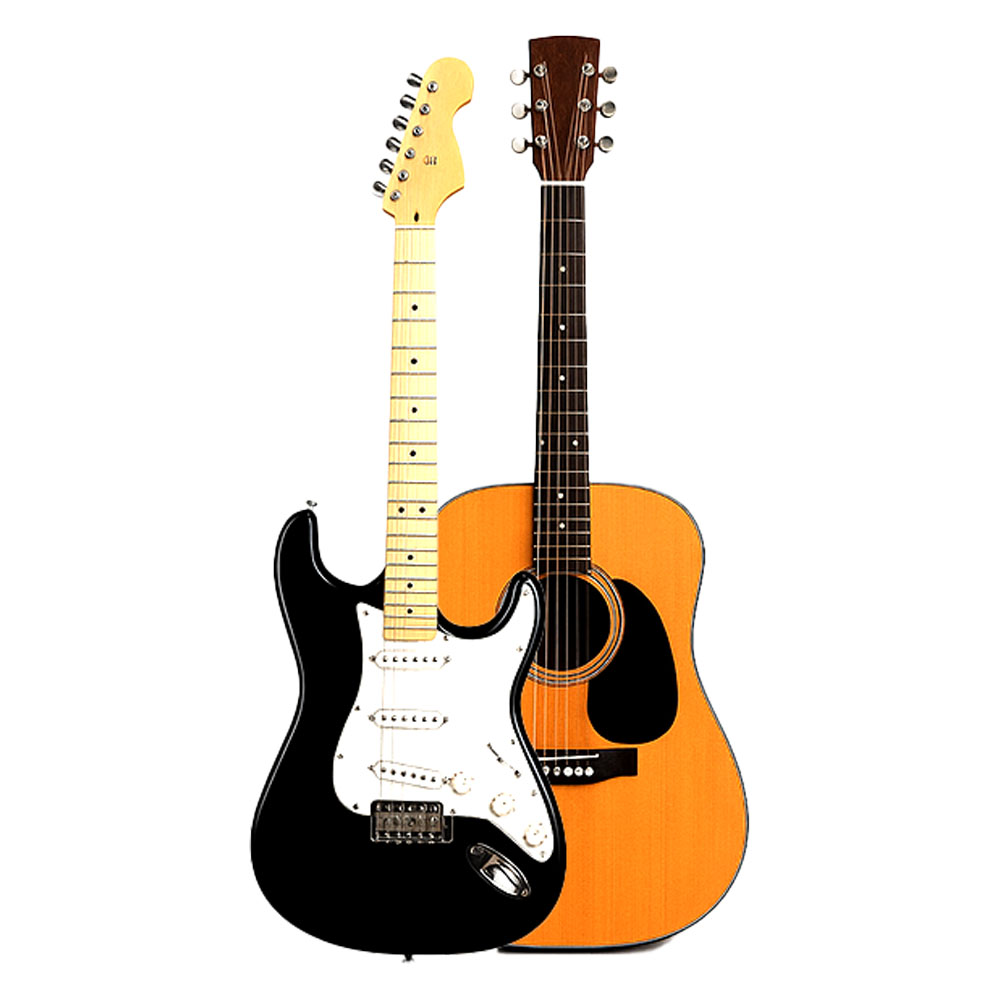
The "Open Free" tuning, as its name and original description ("Livre sem intenção, apenas para teste de sonoridade" - Free without intention, just for sound testing) suggest, is an exploratory tuning not designed for conventional chord shapes but rather for unique sonic textures and experimentation.
Technical Analysis
This tuning presents a unique and somewhat dissonant array of open string pitches. The notes, from lowest to highest, are E, G#, D#, G, A#, D#. When considering the harmonic intervals, we find a blend of natural and sharp notes that challenge conventional Western harmony. For example, the presence of both G# (on the 5th string, G3#) and G natural (on the 3rd string, G3) creates a minor second interval when played together, contributing to a distinctive tension. Similarly, the D# on the 4th (D4#) and 1st (D5#) strings provides a strong, resonant anchor, but its relation to the other pitches (like the E and G) suggests a more exploratory harmonic landscape rather than a clear major or minor key. The A# on the 2nd string (A4#) further adds to this complex palette. This combination implies that the tuning is intended for creating unique soundscapes, drones, or experimental chord voicings that move beyond typical diatonic structures, aligning perfectly with its description of being "free without intention, just for sound testing." It invites players to discover new harmonic possibilities and textures rather than relying on readily available common chords.
While traditional open chords may not be immediately apparent or easy to form, the tuning offers interesting opportunities for specific voicings. For instance, an open E (6th string) with the G# (5th string) forms an E major third. Exploring fingerings that combine E, G#, and D# could yield interesting augmented or diminished sonorities. The repeated D# across multiple strings could be leveraged for drone effects or to establish a D#-centric modal feel, depending on the melodic context.
How to Tune
To achieve a tuning based on the specified semitone movements from standard EADGBe tuning, follow these adjustments:
- 6th String (Low E): Keep as is; no change (0 semitones). The note remains E2.
- 5th String (A): Tune down 1 semitone. Change the A2 to G#2.
- 4th String (D): Tune up 1 semitone. Change the D3 to D#3.
- 3rd String (G): Keep as is; no change (0 semitones). The note remains G3.
- 2nd String (B): Tune down 1 semitone. Change the B3 to A#3.
- 1st String (High E): Tune down 1 semitone. Change the E4 to D#4.
All specified string movements are minor (within 1 semitone), so a change in string gauge is generally not required for this tuning. Always tune carefully and use a reliable tuner.
The open string notes for this tuning, from the thickest (6th) to the thinnest (1st) string, are:
6th String: E2
5th String: G3#
4th String: D4#
3rd String: G3
2nd String: A4#
1st String: D5#
Loading an obscene
amount of Chords
Loading an obscene
amount of Scales
Loading Tuning Map
Loading Tuning Data
Comments - have your say on EG#D#GA#D#
Capos for EG#D#GA#D#
| Capo | Tuning | Name |
|---|---|---|
| 0 | EG#D#GA#D# | Open Free |
Please use the below form to submit a song for EG#D#GA#D# that is not already on gtdb.org.
Videos for EG#D#GA#D# on













Tuning Map
- Fret
- S6
- S5
- S4
- S3
- S2
- S1
- -13
- D#
- G#
- C#
- F#
- A#
- D#
- -12
- E
- A
- D
- G
- B
- E
- -11
- F
- A#
- D#
- G#
- C
- F
- -10
- F#
- B
- E
- A
- C#
- F#
- -9
- G
- C
- F
- A#
- D
- G
- -8
- G#
- C#
- F#
- B
- D#
- G#
- -7
- A
- D
- G
- C
- E
- A
- -6
- A#
- D#
- G#
- C#
- F
- A#
- -5
- B
- E
- A
- D
- F#
- B
- -4
- C
- F
- A#
- D#
- G
- C
- -3
- C#
- F#
- B
- E
- G#
- C#
- -2
- D
- G
- C
- F
- A
- D
- -1
- D#
- G#
- C#
- F#
- A#
- D#
- 0
- E
- A
- D
- G
- B
- E
- 1
- F
- A#
- D#
- G#
- C
- F
- 2
- F#
- B
- E
- A
- C#
- F#
- 3
- G
- C
- F
- A#
- D
- G
- 4
- G#
- C#
- F#
- B
- D#
- G#
- 5
- A
- D
- G
- C
- E
- A
- 6
- A#
- D#
- G#
- C#
- F
- A#
- 7
- B
- E
- A
- D
- F#
- B
- 0
- -1
- 1
- 0
- -1
- -1
 © 2026 GTDB