FFDGA#A# Guitar Tuner
FFDGA#A# | FFDGB♭B♭ I Am Not Erik Mongrain - Guitar tuning, chords & scales
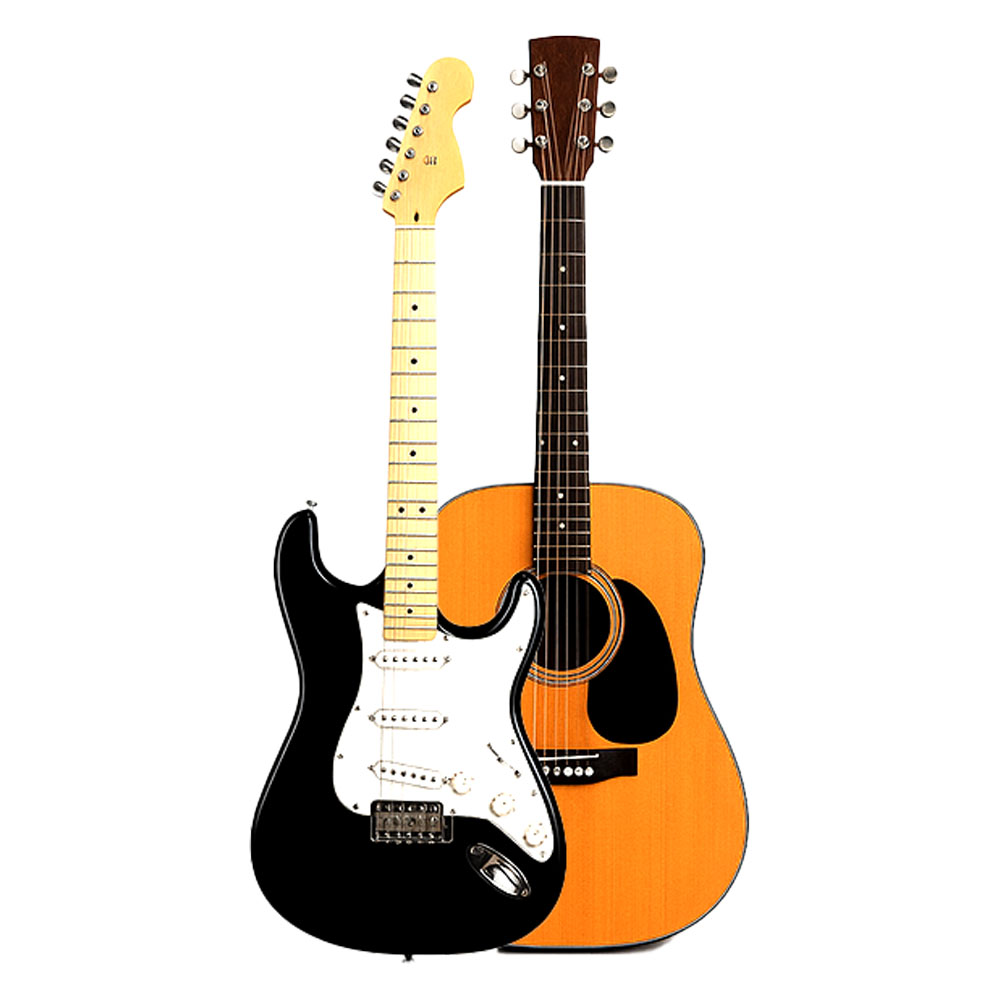
Tuning Overview: Open Fadd9sus4 Drone
This unique open tuning creates a rich, resonant soundscape, perfect for exploration in genres like ambient, blues, folk, or experimental music. With two low Fs establishing a deep, powerful root, and two high A# (B-flat) notes adding a shimmering top end, this tuning offers a drone-like quality that is both expansive and harmonically complex.
Technical Analysis:
The Open Fadd9sus4 Drone tuning sets the guitar strings to the following notes, from lowest to highest:
- 6th String: F2
- 5th String: F2
- 4th String: D3
- 3rd String: G3
- 2nd String: A#3 (Bb3)
- 1st String: A#3 (Bb3)
When strummed open, these notes combine to form an Fadd9sus4 chord (F - G - B♭ - D). Alternatively, it can be perceived as a B♭maj7add9 chord with a strong F root (B♭ - D - F - G). The unison low F2s create a deep foundation, while the unison high A#3 (B♭3) strings provide a bright, sustained harmony, reinforcing the tuning's drone characteristic.
The intervals between strings are:
- 6th to 5th string: Unison F2
- 5th to 4th string: Major 6th (F2 to D3)
- 4th to 3rd string: Perfect 4th (D3 to G3)
- 3rd to 2nd string: Minor 3rd (G3 to A#3/Bb3)
- 2nd to 1st string: Unison A#3/Bb3
Open Chords and Possibilities:
This tuning inherently offers a rich open chord (Fadd9sus4 / B♭maj7add9) that can be easily shifted up and down the neck by barring. The combination of root, 9th, sus4, and major 6th tones provides a versatile palette for songwriting. Common chord shapes might be found for F, B♭, and G minor chords with unique voicings due to the open string relationships. Experimenting with partial barres or two-finger shapes can unlock a wealth of unique harmonic possibilities.
How to Tune:
To achieve the Open Fadd9sus4 Drone tuning from standard EADGBe, follow these precise string adjustments:
- 6th String (Low E): Tune up 1 semitone from E2 to F2.
- 5th String (A): Tune down 4 semitones from A2 to F2. Caution: Tuning down 4 semitones is a significant drop. If frequently using this tuning, consider a heavier gauge string for optimal tension and tone.
- 4th String (D): Keep as is; no change (0 semitones) at D3.
- 3rd String (G): Keep as is; no change (0 semitones) at G3.
- 2nd String (B): Tune down 1 semitone from B3 to A#3.
- 1st String (High E): Tune down 6 semitones from E4 to A#3. Extreme Caution: Tuning down 6 semitones is a very substantial drop. It is strongly advised to use a heavier gauge string for this if you intend to use this tuning regularly, to maintain proper string tension and avoid a 'floppy' feel or intonation issues.
6th String (Lowest): F2
5th String: F2
4th String: D3
3rd String: G3
2nd String: A#3
1st String (Highest): A#3
Loading an obscene
amount of Chords
Loading an obscene
amount of Scales
Loading Tuning Map
Loading Tuning Data
Comments - have your say on FFDGA#A#
Capos for FFDGA#A#
| Capo | Tuning | Name |
|---|---|---|
| 0 | FFDGA#A# | I Am Not Erik Mongrain |
Please use the below form to submit a song for FFDGA#A# that is not already on gtdb.org.
Videos for FFDGA#A# on

















Tuning Map
- Fret
- S6
- S5
- S4
- S3
- S2
- S1
- -13
- D#
- G#
- C#
- F#
- A#
- D#
- -12
- E
- A
- D
- G
- B
- E
- -11
- F
- A#
- D#
- G#
- C
- F
- -10
- F#
- B
- E
- A
- C#
- F#
- -9
- G
- C
- F
- A#
- D
- G
- -8
- G#
- C#
- F#
- B
- D#
- G#
- -7
- A
- D
- G
- C
- E
- A
- -6
- A#
- D#
- G#
- C#
- F
- A#
- -5
- B
- E
- A
- D
- F#
- B
- -4
- C
- F
- A#
- D#
- G
- C
- -3
- C#
- F#
- B
- E
- G#
- C#
- -2
- D
- G
- C
- F
- A
- D
- -1
- D#
- G#
- C#
- F#
- A#
- D#
- 0
- E
- A
- D
- G
- B
- E
- 1
- F
- A#
- D#
- G#
- C
- F
- 2
- F#
- B
- E
- A
- C#
- F#
- 3
- G
- C
- F
- A#
- D
- G
- 4
- G#
- C#
- F#
- B
- D#
- G#
- 5
- A
- D
- G
- C
- E
- A
- 6
- A#
- D#
- G#
- C#
- F
- A#
- 7
- B
- E
- A
- D
- F#
- B
- 1
- -4
- 0
- 0
- -1
- -6
 © 2026 GTDB