GDGDGC Bass Electric Tuner
GDGDGC G Spot - Bass Electric tuning, chords & scales
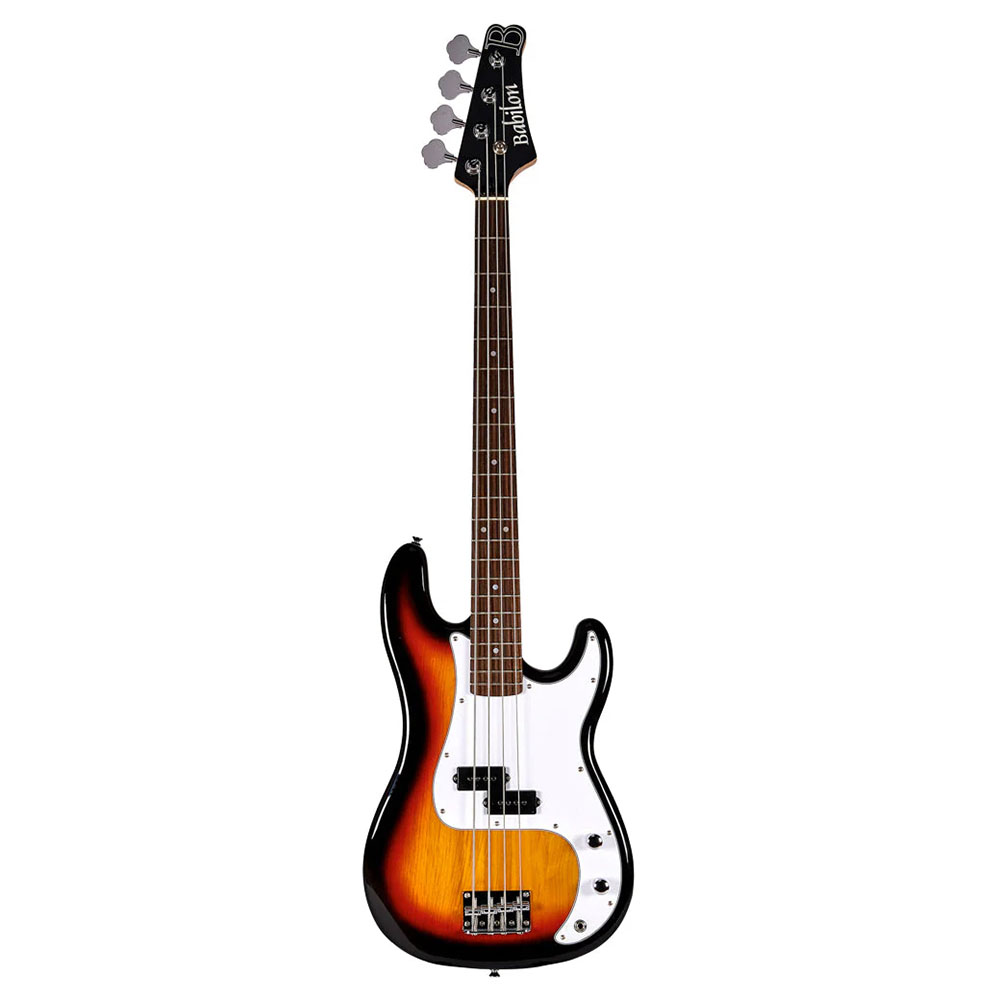
"G Spot" Tuning: A Deep Dive for 6-String Bass
The 'G Spot' tuning for a 6-string electric bass, while playfully named and described in the JSON as 'for a moron,' actually presents a distinctive and powerful sonic landscape. This tuning centers heavily around G and D notes, creating a Drop G-like feel across the lower strings but expanding to a C on the highest string. It's ideal for genres requiring deep, resonant bass lines, such as metal, hard rock, or even some experimental jazz and funk. The open intervals lend themselves to droning, rhythmic riffs, and massive power chords.
Because of the repeated Gs and Ds, the tuning offers easy access to open G power chords (G-D-G on strings 6, 5, 4/3, 2) and open D power chords. The low G provides a formidable foundation, and the interval of a perfect fifth (G-D) is prominent, making it easy to construct heavy, open voicings without much fretwork. The C on the highest string adds a touch of brightness and allows for melodic excursions or extensions beyond the fundamental G/D core. This setup encourages a playing style focused on powerful, resonant voicings and a strong harmonic foundation.
Technical Analysis: G1-D2-G2-D3-G3-C4
Technically, the tuning is G1-D2-G2-D3-G3-C4. This configuration is essentially a variant of a Drop G tuning, extended for a 6-string bass. The first three strings (G1-D2-G2) form a powerful G power chord, providing immense depth. The subsequent strings (D3-G3) continue this G-D pairing, reinforcing the core tonality.
The intervals from low to high are: a perfect fifth (G1 to D2), a perfect fourth (D2 to G2), a perfect fifth (G2 to D3), a perfect fourth (D3 to G3), and finally a perfect fourth (G3 to C4). This blend of perfect fifths and fourths creates a very stable and resonant harmonic structure, making it easy to achieve a full, thick sound. The prominence of G and D suggests a strong G Major or G minor tonality, making it very intuitive for players familiar with these keys to improvise and compose. The C on the highest string can act as the subdominant (IV) in G, offering a natural harmonic expansion and melodic versatility.
How to Tune Your Bass
To achieve the 'G Spot' tuning, follow these specific adjustments for each string from your current setup:
- String 6 (G1): Tune down 4 semitones. Note: Tuning down 4 semitones is a significant change; consider using a different gauge string if this tuning is played frequently, as string tension may be drastically reduced.
- String 5 (D2): Tune down 2 semitones.
- String 4 (G2): Tune down 2 semitones.
- String 3 (D3): Keep as is; no change (0 semitones).
- String 2 (G3): Keep as is; no change (0 semitones).
- String 1 (C4): Tune up 1 semitone. Note: Tuning up 1 semitone is generally safe, but always tune slowly and carefully to avoid string breakage.
- String 6 (G1): The lowest string, tuned significantly down to provide a very deep, resonant G. This forms the foundational root of the tuning.
- String 5 (D2): A perfect fifth above the lowest G, contributing to a powerful open G chord or drone.
- String 4 (G2): An octave above the lowest G, reinforcing the fundamental and creating a rich, full sound when played open with String 6.
- String 3 (D3): An octave above String 5, this D note continues the strong G-D relationship, offering another perfect fifth interval.
- String 2 (G3): An octave above String 4, this G further solidifies the G tonality and provides higher register options within the core harmonic structure.
- String 1 (C4): The highest string, providing a C. This note adds a distinct color to the tuning, acting as a subdominant (IV) in G and opening up melodic possibilities beyond the G-D power chord core.
Loading an obscene
amount of Chords
Loading an obscene
amount of Scales
Loading Tuning Map
Loading Tuning Data
Comments - have your say on GDGDGC
Capos for GDGDGC
| Capo | Tuning | Name |
|---|---|---|
| 0 | GDGDGC | G Spot |
Please use the below form to submit a song for GDGDGC that is not already on gtdb.org.
Videos for GDGDGC on














![G-Eazy & Kehlani - Good Life (from The Fate of the Furious: The Album) [MUSIC VIDEO]](https://i.ytimg.com/vi/FG9M0aEpJGE/mqdefault.jpg)
Tuning Map
- Fret
- S7
- S6
- S5
- S4
- S3
- S2
- -13
- A#
- D#
- G#
- C#
- F#
- A#
- -12
- B
- E
- A
- D
- G
- B
- -11
- C
- F
- A#
- D#
- G#
- C
- -10
- C#
- F#
- B
- E
- A
- C#
- -9
- D
- G
- C
- F
- A#
- D
- -8
- D#
- G#
- C#
- F#
- B
- D#
- -7
- E
- A
- D
- G
- C
- E
- -6
- F
- A#
- D#
- G#
- C#
- F
- -5
- F#
- B
- E
- A
- D
- F#
- -4
- G
- C
- F
- A#
- D#
- G
- -3
- G#
- C#
- F#
- B
- E
- G#
- -2
- A
- D
- G
- C
- F
- A
- -1
- A#
- D#
- G#
- C#
- F#
- A#
- 0
- B
- E
- A
- D
- G
- B
- 1
- C
- F
- A#
- D#
- G#
- C
- 2
- C#
- F#
- B
- E
- A
- C#
- 3
- D
- G
- C
- F
- A#
- D
- 4
- D#
- G#
- C#
- F#
- B
- D#
- 5
- E
- A
- D
- G
- C
- E
- 6
- F
- A#
- D#
- G#
- C#
- F
- 7
- F#
- B
- E
- A
- D
- F#
- -4
- -2
- -2
- 0
- 0
- 1
 © 2026 GTDB