CGCF Bass Electric Tuner
CGCF Drop C Bass - Bass Electric tuning, chords & scales
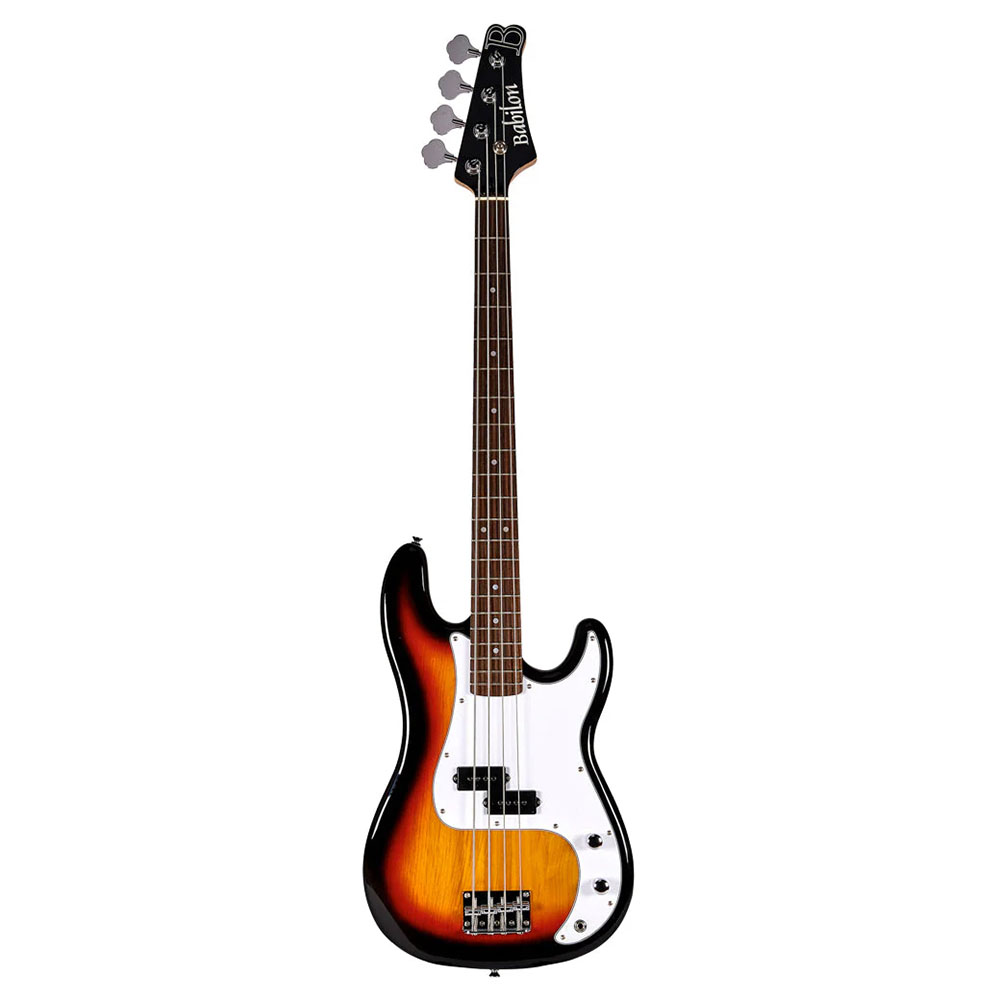
Verbal Analysis: The Low-End Powerhouse
Drop C Bass is a formidable tuning designed to deliver a deep, resonant, and often aggressive low end. As the name suggests, it mirrors the intensity of Drop C on guitar, translating that heavy vibe to the bass. This tuning is a go-to for genres like metal, hard rock, grunge, and any style where a thick, thudding foundation is paramount. The overall feel is one of power and depth, allowing the bass to sit incredibly low in the mix while still cutting through with authority. The reduced string tension, especially on the lowest string, can make for a looser feel under the fingers, which might be advantageous for certain aggressive playing styles like heavy plucking or pick work, and can also facilitate faster runs due to less resistance.
Technical Analysis: Unlocking the C Foundation
This 4-string electric bass tuning sets the open strings to C2-G2-C3-F3 (from lowest to highest). The presence of two C notes (C2 and C3) creates a strong root foundation, making it incredibly easy to hit solid C-based riffs and power chords. The interval between the lowest string (C2) and the second string (G2) is a perfect fifth, a classic bass interval that forms the backbone of countless rock and metal riffs, allowing for powerful, one or two-finger power chords. Moving up, the G2 to C3 is a perfect fourth, as is the C3 to F3. This arrangement (P5, P4, P4) provides familiar fingerings for many bass lines, but with a significantly lower overall pitch. The F3 on the highest string offers melodic possibilities, functioning as a perfect fourth above C, or a flattened seventh if improvising over a G chord, adding harmonic versatility.
Open Chords & Easy Shapes:
- C Power Chord: The lowest two strings (C2-G2) naturally form a C5 power chord, easily played with one finger across the first fret of the G string and open C string, or simply playing the open C string as the root. Playing the open C2 and G2 strings together, and then adding the C3 (open D string equivalent) forms a powerful root-fifth-octave C chord with minimal effort.
- One-Finger Riffs: The drop-C tuning makes it very easy to play power chords with just one finger on the lowest string, followed by the open second string (e.g., fretting any note on the C string and playing the open G string for a root-fifth sound).
- Familiar Patterns: The perfect fourth intervals on the higher strings mean that many standard bass patterns and scales can be directly translated, just two semitones lower in pitch.
How to Tune: Achieving Drop C Bass
Achieving Drop C Bass requires significant down-tuning from standard EADG for a 4-string bass. Please note that substantial drops in tuning can reduce string tension significantly. For optimal performance, to mitigate fret buzz, and maintain clarity, especially on the lowest string, a heavier gauge set of strings is highly recommended. For any string movement of 4 semitones or more (up or down), a different string gauge and potentially a professional instrument setup are strongly advised.
- String 4 (E string in standard tuning): Tune down 4 semitones to C2. This is a considerable drop; a heavier gauge string for this lowest string is strongly advised to maintain playability and tone.
- String 3 (A string in standard tuning): Tune down 2 semitones to G2.
- String 2 (D string in standard tuning): Tune down 2 semitones to C3.
- String 1 (G string in standard tuning): Tune down 2 semitones to F3.
The tuning notes for Drop C Bass are as follows:
- String 4: Tuned to C2
- String 3: Tuned to G2
- String 2: Tuned to C3
- String 1: Tuned to F3
Loading an obscene
amount of Chords
Loading an obscene
amount of Scales
Loading Tuning Map
Loading Tuning Data
Comments - have your say on CGCF
Please use the below form to submit a song for CGCF that is not already on gtdb.org.
Videos for CGCF on


![【BASS TUNER】[ Drop C ] (C G C F)](https://i.ytimg.com/vi/6xXftaAos40/mqdefault.jpg)










Tuning Map
- Fret
- S6
- S5
- S4
- S3
- -13
- D#
- G#
- C#
- F#
- -12
- E
- A
- D
- G
- -11
- F
- A#
- D#
- G#
- -10
- F#
- B
- E
- A
- -9
- G
- C
- F
- A#
- -8
- G#
- C#
- F#
- B
- -7
- A
- D
- G
- C
- -6
- A#
- D#
- G#
- C#
- -5
- B
- E
- A
- D
- -4
- C
- F
- A#
- D#
- -3
- C#
- F#
- B
- E
- -2
- D
- G
- C
- F
- -1
- D#
- G#
- C#
- F#
- 0
- E
- A
- D
- G
- 1
- F
- A#
- D#
- G#
- 2
- F#
- B
- E
- A
- 3
- G
- C
- F
- A#
- 4
- G#
- C#
- F#
- B
- 5
- A
- D
- G
- C
- 6
- A#
- D#
- G#
- C#
- 7
- B
- E
- A
- D
- -4
- -2
- -2
- -2
 © 2026 GTDB