CGCFAD Guitar Tuner
CGCFAD Drop C1 - Guitar tuning, chords & scales
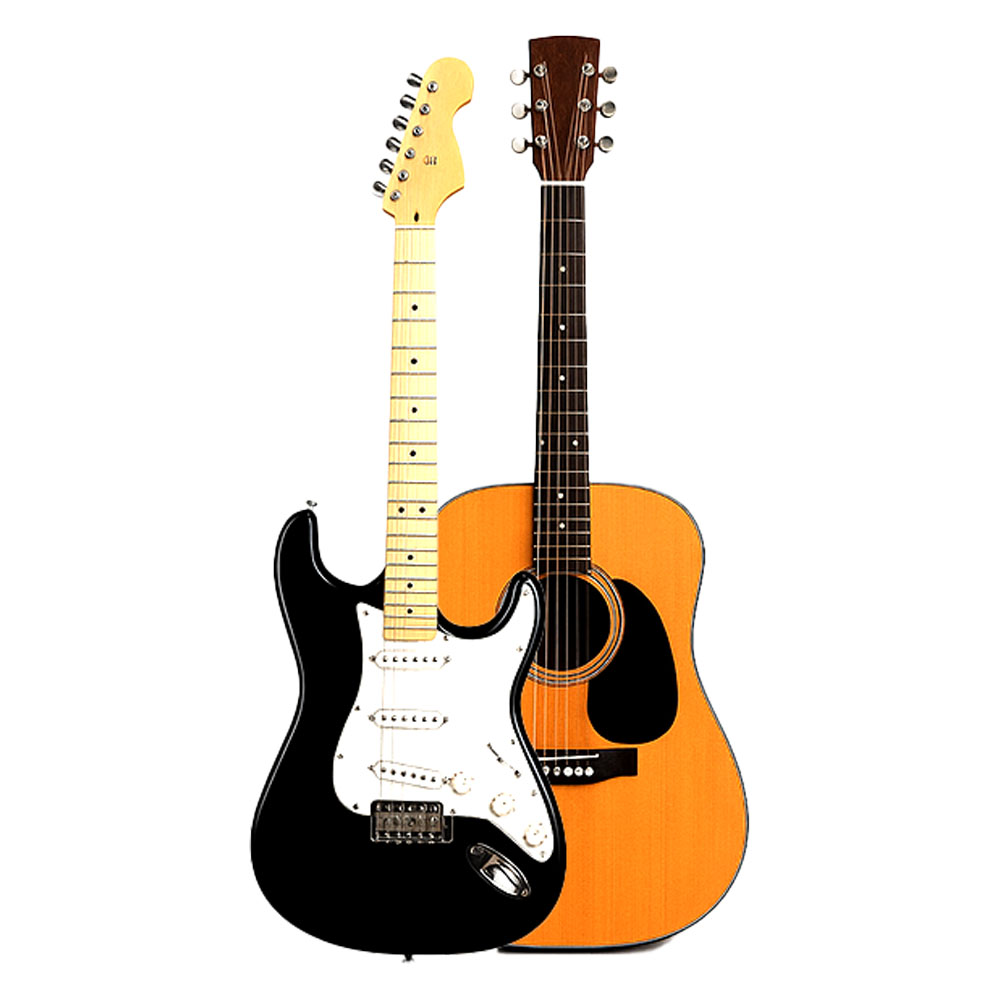
The Drop C1 tuning is an exceptionally low and heavy tuning for a 6-string guitar, essentially taking the popular Drop C configuration and dropping it a full octave lower. This tuning creates a massive, resonant soundscape, ideal for genres that demand extreme low-end presence such as doom metal, sludge metal, progressive death metal, or any style requiring a truly crushing sonic foundation.
Technically, this tuning sets the strings to C1-G1-C2-F2-A2-D3 (from thickest to thinnest). The significant down-tuning, ranging from 9 to 11 semitones for each string, means that standard guitar strings will be far too loose to achieve proper tension, intonation, or tone. As the tuning's description suggests, this tuning is highly recommended for use with a baritone guitar, preferably with a longer scale length of around 30 inches, and specifically chosen heavy gauge strings to maintain playability and avoid excessive fret buzz.
One of the key advantages of this 'Drop' style tuning is the ease of forming power chords on the lowest strings. By barring a single finger across the 6th, 5th, and 4th strings (C1-G1-C2), you instantly get a powerful C5 chord, making heavy riffing very accessible. While the full open tuning doesn't form a conventional consonant chord due to the F, A, and D, it provides a very deep, rich, and somewhat dark canvas for creating unique voicings and dissonant textures, perfect for drone or experimental sounds. The extreme depth of the C1 note provides an unparalleled foundation for bass-heavy compositions and impactful, earth-shaking soundscapes.
Important Note: Given the extreme amount of down-tuning required for each string (all movements are 9 semitones or more down), using standard guitar strings is not advisable. For optimal performance, intonation, and to prevent string damage or breakage, a different string gauge specifically designed for ultra-low tunings or baritone guitars is strongly recommended. Tuning up or down more than 4 semitones generally warrants a change in string gauge.
Tuning Notes:
- String 6 (thickest): C1
- String 5: G1
- String 4: C2
- String 3: F2
- String 2: A2
- String 1 (thinnest): D3
How to Tune:
To achieve the Drop C1 tuning from standard E Standard tuning, follow these string movements:
- String 6 (Low E): Tune down 11 semitones to C1.
- String 5 (A): Tune down 9 semitones to G1.
- String 4 (D): Tune down 9 semitones to C2.
- String 3 (G): Tune down 9 semitones to F2.
- String 2 (B): Tune down 10 semitones to A2.
- String 1 (High E): Tune down 9 semitones to D3.
Crucial Advice: As all strings require significant down-tuning (9 or more semitones), using standard guitar strings will result in extremely loose strings and poor playability. It is highly recommended to use heavier gauge strings designed for baritone guitars or extended range instruments to maintain proper tension, intonation, and achieve the desired powerful, low-end tone. Exceeding a 4-semitone movement (either up or down) generally indicates a need for a different string gauge.
Loading an obscene
amount of Chords
Loading an obscene
amount of Scales
Loading Tuning Map
Loading Tuning Data
Comments - have your say on CGCFAD
Capos for CGCFAD
| Capo | Tuning | Name |
|---|---|---|
| 0 | CGCFAD | Drop C1 |
Please use the below form to submit a song for CGCFAD that is not already on gtdb.org.
Videos for CGCFAD on






![Drop Db Guitar Tuner by WHIN [Db-Ab-Db-Gb-Bb-Eb] or [C#-G#-C#-F#-A#-D#]](https://i.ytimg.com/vi/tw4xhU_O_jE/mqdefault.jpg)




Tuning Map
- Fret
- S7
- S6
- S5
- S4
- S3
- S2
- -13
- A#
- D#
- G#
- C#
- F#
- A#
- -12
- B
- E
- A
- D
- G
- B
- -11
- C
- F
- A#
- D#
- G#
- C
- -10
- C#
- F#
- B
- E
- A
- C#
- -9
- D
- G
- C
- F
- A#
- D
- -8
- D#
- G#
- C#
- F#
- B
- D#
- -7
- E
- A
- D
- G
- C
- E
- -6
- F
- A#
- D#
- G#
- C#
- F
- -5
- F#
- B
- E
- A
- D
- F#
- -4
- G
- C
- F
- A#
- D#
- G
- -3
- G#
- C#
- F#
- B
- E
- G#
- -2
- A
- D
- G
- C
- F
- A
- -1
- A#
- D#
- G#
- C#
- F#
- A#
- 0
- B
- E
- A
- D
- G
- B
- 1
- C
- F
- A#
- D#
- G#
- C
- 2
- C#
- F#
- B
- E
- A
- C#
- 3
- D
- G
- C
- F
- A#
- D
- 4
- D#
- G#
- C#
- F#
- B
- D#
- 5
- E
- A
- D
- G
- C
- E
- 6
- F
- A#
- D#
- G#
- C#
- F
- 7
- F#
- B
- E
- A
- D
- F#
- -11
- -9
- -9
- -9
- -10
- -9
 © 2026 GTDB