CGDAC#E Guitar Tuner
CGDAC#E | CGDAD♭E Power/Major Tuning - Guitar tuning, chords & scales
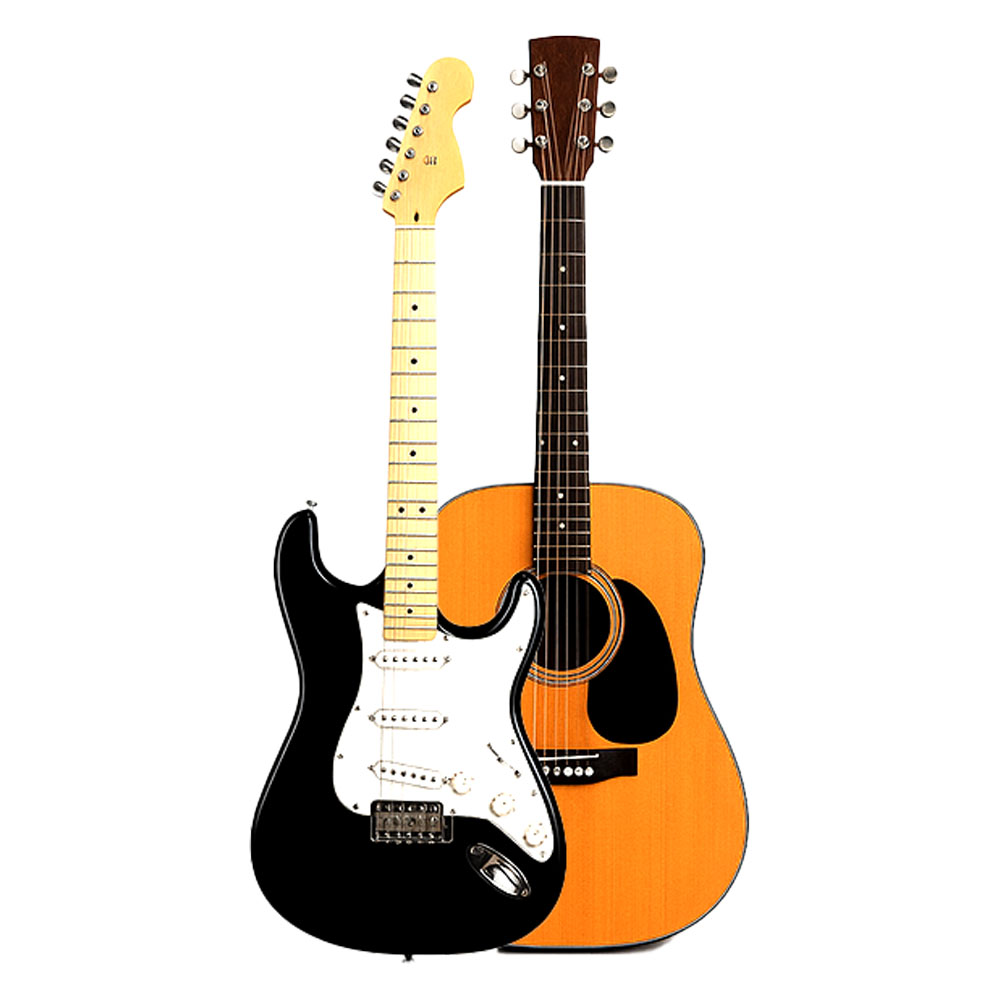
The creator describes this as a personal tuning developed during songwriting, highlighting its fun and experimental nature. This suggests a tuning designed for creative exploration rather than adherence to strict harmonic conventions.
Verbal Analysis
This tuning presents a unique landscape for guitarists, blending a powerful, resonant low end with surprisingly high and dramatic melodic possibilities on the upper strings. It's an adventurous tuning that invites players to explore unconventional voicings and textures, ideal for genres like modern rock, metal, progressive, or experimental music where striking soundscapes are valued. The name 'Power/Major' aptly hints at its foundational strengths.
Technical Analysis
The open string notes for this tuning are: C2 G2 D3 A3 C5# E4.
- The lowest four strings (6, 5, 4, 3) are tuned in perfect fifths: C2, G2, D3, A3. This stacked fifths arrangement creates an incredibly powerful and resonant foundation, reminiscent of instruments like cellos or mandolas. This structure makes playing power chords or resonant open chords across these strings very intuitive and sonically rich.
- The transition from the 3rd string (A3) to the 2nd string (C5#) is exceptionally dramatic. A C5# is an octave and a major third above C#4, or a massive 16 semitones above A3. This creates a vast interval, suggesting that the 2nd string is intended for very high melodic accents, soaring lead lines, or specific, potentially dissonant, textural elements rather than standard chord voicings with the lower strings. It's an unusually high note for a typical guitar string, implying either a specialized string setup or a very specific use case.
- The highest string, E4, is a minor third below the C5# of the 2nd string, creating a close, often haunting interval between these two highest strings.
Open Chords and Possibilities
- The low C2-G2-D3-A3 section forms a potent Cmaj9 (C-G-D-A), offering a full, rich chord that resonates powerfully. Simple barre shapes across these four strings will produce clear major and minor qualities with great depth.
- By focusing on the lowest strings, guitarists can easily generate heavy, detuned power chords (C5, G5, D5, A5) that provide a solid rhythmic and harmonic backbone. Sliding these shapes up and down the fretboard will be effortless and impactful.
- The full open tuning (C-G-D-A-C#-E) itself is harmonically complex and potentially dissonant due to the simultaneous presence of C (root of the low end) and C# (on string 2). This dissonance can be leveraged for avant-garde textures, dark ambient passages, or deliberately clashing harmonies in experimental music.
- The very high C5# and E4 on the top strings lend themselves to melodic motifs, arpeggios, or chime-like effects that can stand out dramatically against the deep, droning lower strings. It's a tuning that encourages thoughtful phrasing and selective string usage rather than full, open strumming of all six strings in every instance.
Open String Notes
- String 6 (Low E string position): C2
- String 5 (A string position): G2
- String 4 (D string position): D3
- String 3 (G string position): A3
- String 2 (B string position): C5#
- String 1 (High E string position): E4
How to Tune (from Standard EADGBe)
Follow these steps to tune your guitar to Power/Major tuning:
- String 6 (Low E): Tune down 4 semitones from E2 to C2. Caution: Tuning down 4 semitones is a significant change; a heavier gauge string might be advisable for optimal tension and tone.
- String 5 (A): Tune down 2 semitones from A2 to G2.
- String 4 (D): Keep as is; no change (0 semitones) from D3 to D3.
- String 3 (G): Tune up 2 semitones from G3 to A3.
- String 2 (B): Tune up 2 semitones. This will bring a standard B3 string to C#4. Please note: The specified target note for this string is C5#, which is significantly higher than C#4. Achieving C5# from a standard B string would require a much greater pitch increase (14 semitones) and likely a specialized, much lighter gauge string or setup to prevent breakage.
- String 1 (High E): Keep as is; no change (0 semitones) from E4 to E4.
Loading an obscene
amount of Chords
Loading an obscene
amount of Scales
Loading Tuning Map
Loading Tuning Data
Comments - have your say on CGDAC#E
Capos for CGDAC#E
| Capo | Tuning | Name |
|---|---|---|
| 0 | CGDAC#E | Power/Major Tuning |
Please use the below form to submit a song for CGDAC#E that is not already on gtdb.org.
Videos for CGDAC#E on














Tuning Map
- Fret
- S6
- S5
- S4
- S3
- S2
- S1
- -13
- D#
- G#
- C#
- F#
- A#
- D#
- -12
- E
- A
- D
- G
- B
- E
- -11
- F
- A#
- D#
- G#
- C
- F
- -10
- F#
- B
- E
- A
- C#
- F#
- -9
- G
- C
- F
- A#
- D
- G
- -8
- G#
- C#
- F#
- B
- D#
- G#
- -7
- A
- D
- G
- C
- E
- A
- -6
- A#
- D#
- G#
- C#
- F
- A#
- -5
- B
- E
- A
- D
- F#
- B
- -4
- C
- F
- A#
- D#
- G
- C
- -3
- C#
- F#
- B
- E
- G#
- C#
- -2
- D
- G
- C
- F
- A
- D
- -1
- D#
- G#
- C#
- F#
- A#
- D#
- 0
- E
- A
- D
- G
- B
- E
- 1
- F
- A#
- D#
- G#
- C
- F
- 2
- F#
- B
- E
- A
- C#
- F#
- 3
- G
- C
- F
- A#
- D
- G
- 4
- G#
- C#
- F#
- B
- D#
- G#
- 5
- A
- D
- G
- C
- E
- A
- 6
- A#
- D#
- G#
- C#
- F
- A#
- 7
- B
- E
- A
- D
- F#
- B
- -4
- -2
- 0
- 2
- 2
- 0
 © 2026 GTDB