DACGCE Guitar Tuner
DACGCE Drop D Math Rock - Guitar tuning, chords & scales
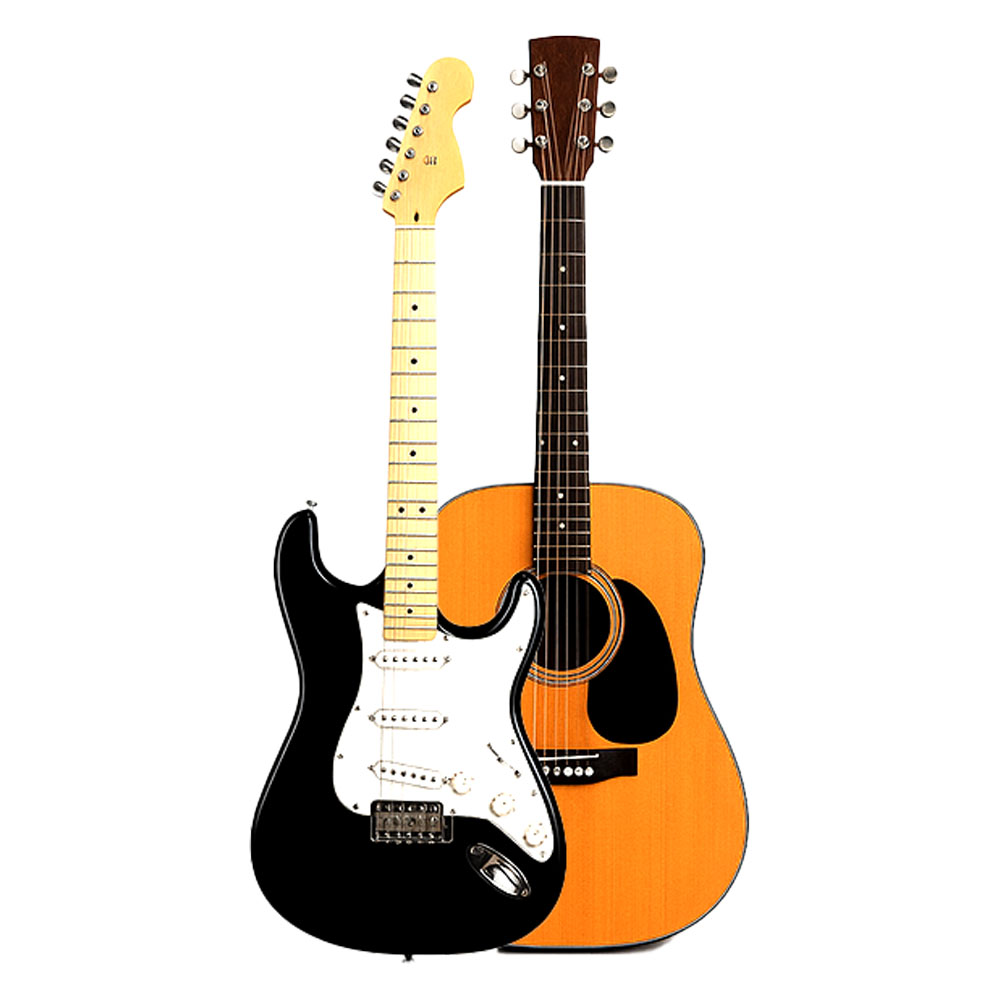
Overview: Math Rock D A C G C E Tuning
This intriguing tuning, often explored in the math rock genre, presents a unique sonic landscape by combining elements of drop tunings with open chord voicings. While the initial description from the JSON refers to a "Math rock tuning (FACGCE) with drop D for power chords," the actual open notes of this specific tuning are D A C G C E. This configuration creates a distinctive and resonant character, moving away from standard guitar intervals to encourage fresh chord shapes and melodic exploration. It's perfectly suited for the intricate and harmonically rich compositions typical of math rock.
Technical Analysis
Compared to standard E Standard tuning (E-A-D-G-B-E), this tuning significantly reconfigures several strings:
- The 6th string (low E) is dropped two semitones to D2, providing the characteristic "Drop D" for powerful, resonant bass lines and open power chords.
- The 5th string (A) remains at A2, serving as a stable anchor.
- The 4th string (D) is dropped two semitones to C3, creating an open C interval with the 5th string (A) and 6th string (D).
- The 3rd string (G) remains at G3, acting as a common tone in many open chords.
- The 2nd string (B) is drastically dropped eleven semitones to C3, aligning it with the C on the 4th string and reinforcing the open C tonality.
- The 1st string (high E) is also drastically dropped a full octave (twelve semitones) to E3, bringing it into a much lower register and creating interesting close voicings with the adjacent C string.
The resulting open string notes D-A-C-G-C-E form a complex yet harmonious sonority. The lower strings (D-A-C) suggest a D minor triad. However, the presence of G-C-E (a C major triad) on the middle and high strings allows for an interplay between D minor and C major qualities, creating tension and release. This ambiguity is a hallmark of experimental tunings, providing a rich canvas for unique melodic and harmonic ideas.
Open Chords and Playability
This tuning naturally lends itself to:
- Power Chords: The dropped D and C strings (D-A-C) make root-5th-octave power chords incredibly easy to achieve on the lower strings, especially on D, A, and C roots, by simply barring a single fret.
- Open C Major Voicings: The C-G-C-E configuration (strings 4-3-2-1) creates a beautiful, resonant C major chord when strummed open or with minimal fretting, offering a bright contrast to the lower D.
- D Minor/Sus Chords: The D-A-C combination on the lower strings provides a strong D minor foundation. Adding the G on the 3rd string creates a Dsus4 feel, offering rich, suspended harmonies.
- Extended Harmonies: The unusual intervals encourage exploration of wider voicings and clusters, ideal for intricate arpeggios, dissonant-yet-resolving passages, and the characteristic complex textures of math rock.
Players will find themselves rethinking traditional chord shapes and discovering new harmonic possibilities across the fretboard. The significant drops on the B and high E strings create a darker, richer timbre, especially on the upper register, which can add depth to lead lines and arpeggios.
How to Tune
To achieve the D A C G C E tuning from standard E Standard, follow these steps:
- 6th String (Low E): Tune down 2 semitones to D2.
- 5th String (A): Keep as is; no change (0 semitones) to A2.
- 4th String (D): Tune down 2 semitones to C3.
- 3rd String (G): Keep as is; no change (0 semitones) to G3.
- 2nd String (B): Tune down 11 semitones to C3. Caution: This is a very significant drop. For optimal tone, intonation, and string tension, it is highly recommended to consider a heavier gauge string for this position. Tuning down this far with a standard gauge string may result in a floppy feel and poor intonation.
- 1st String (High E): Tune down 12 semitones (a full octave) to E3. Caution: This is an extreme drop. For proper playability, suitable string tension, and to avoid issues with buzzing or breakage, a much heavier gauge string is strongly advised for this string.
Always tune slowly and check string tension carefully. For drops exceeding 4 semitones (either up or down), a different string gauge is generally recommended to ensure good tone, intonation, and string life, as well as to prevent potential damage to your instrument or strings.
6th String: D2 (Low D)
5th String: A2 (A)
4th String: C3 (C)
3rd String: G3 (G)
2nd String: C3 (C)
1st String: E3 (High E)
Loading an obscene
amount of Chords
Loading an obscene
amount of Scales
Loading Tuning Map
Loading Tuning Data
Comments - have your say on DACGCE
Capos for DACGCE
| Capo | Tuning | Name |
|---|---|---|
| 0 | DACGCE | Drop D Math Rock |
Please use the below form to submit a song for DACGCE that is not already on gtdb.org.
Videos for DACGCE on





![Drop D Guitar Tuner by WHIN [D-A-D-G-B-E]](https://i.ytimg.com/vi/F4_lVJdArtQ/mqdefault.jpg)




Tuning Map
- Fret
- S6
- S5
- S4
- S3
- S2
- S1
- -13
- D#
- G#
- C#
- F#
- A#
- D#
- -12
- E
- A
- D
- G
- B
- E
- -11
- F
- A#
- D#
- G#
- C
- F
- -10
- F#
- B
- E
- A
- C#
- F#
- -9
- G
- C
- F
- A#
- D
- G
- -8
- G#
- C#
- F#
- B
- D#
- G#
- -7
- A
- D
- G
- C
- E
- A
- -6
- A#
- D#
- G#
- C#
- F
- A#
- -5
- B
- E
- A
- D
- F#
- B
- -4
- C
- F
- A#
- D#
- G
- C
- -3
- C#
- F#
- B
- E
- G#
- C#
- -2
- D
- G
- C
- F
- A
- D
- -1
- D#
- G#
- C#
- F#
- A#
- D#
- 0
- E
- A
- D
- G
- B
- E
- 1
- F
- A#
- D#
- G#
- C
- F
- 2
- F#
- B
- E
- A
- C#
- F#
- 3
- G
- C
- F
- A#
- D
- G
- 4
- G#
- C#
- F#
- B
- D#
- G#
- 5
- A
- D
- G
- C
- E
- A
- 6
- A#
- D#
- G#
- C#
- F
- A#
- 7
- B
- E
- A
- D
- F#
- B
- -2
- 0
- -2
- 0
- -11
- -12
 © 2026 GTDB