D#A#D#GAD Guitar Tuner
D#A#D#GAD | E♭B♭E♭GAD D#A#D#GAD - Guitar tuning, chords & scales
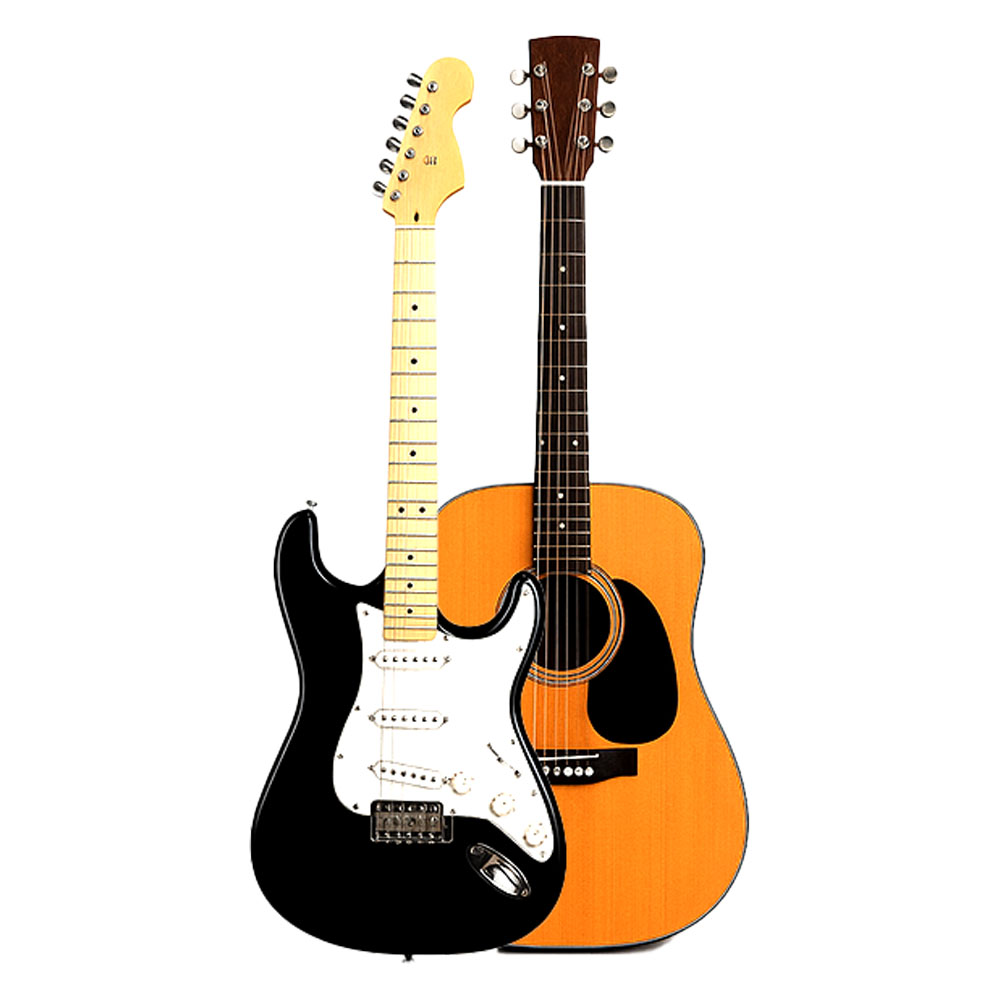
This unique tuning, which we'll refer to as "Low Drop D# Power" for its characteristics, offers a distinct sonic landscape for adventurous guitarists. It combines a powerful, low-end foundation with an intriguing set of higher strings, making it suitable for genres seeking a heavy, resonant, and somewhat open sound.
Verbal Analysis
The most striking feature of this tuning is the open D♯5 power chord formed by the three lowest strings: D♯3, A♯3, D♯4. This creates an immediate sense of depth and weight, perfect for driving riffs, heavy chugging, or atmospheric drones. The overall low pitch suggests applications in metal, hard rock, or experimental music, where a thick, foundational sound is desired. The original description "sounds cool idk" hints at an intuitive, exploratory approach to this tuning, suggesting its strength lies in its ability to inspire new ideas rather than conform to traditional structures.
While the lower strings provide a solid power chord, the higher strings (G3, A3, D4) introduce a fascinating blend of intervals. Played all together (D♯ A♯ D♯ G A D), this tuning presents a complex voicing. The D♯ major triad on the low strings combines with G, A, and D on the high strings to create a rich, potentially dissonant, but highly evocative chord. For example, playing all strings open can yield a D♯ minor 7 (add11) or a D♯ minor 7 sus4 sound, offering a dark and expansive tonality that begs for exploration.
The consecutive open notes G-A-D on the middle to high strings (3rd, 2nd, 1st) allow for easy melodic phrasing and open string drones that can create interesting counterpoints with the low D♯ root. This setup encourages creative single-note lines and arpeggios, as well as unique chord voicings that wouldn't be possible in standard tuning. The spacing of the strings might also facilitate certain finger-picking patterns or slide techniques, leveraging the open string resonance.
Technical Analysis
This is an irregular tuning, deviating significantly from standard EADGBE. The notes from lowest (6th string) to highest (1st string) are: D♯3 A♯3 D♯4 G3 A3 D4.
Open String Intervals (from 6th string D♯3):
- 6th String (D♯3) to 5th String (A♯3): Perfect 5th (7 semitones)
- 5th String (A♯3) to 4th String (D♯4): Perfect 4th (5 semitones)
- 4th String (D♯4) to 3rd String (G3): Minor 6th down (or Minor 3rd up from D♯). This creates an interesting tension against the D♯ root.
- 3rd String (G3) to 2nd String (A3): Major 2nd (2 semitones)
- 2nd String (A3) to 1st String (D4): Perfect 4th (5 semitones)
Chords within Reach:
- Open D♯5 Power Chord: Strings 6, 5, 4 (D♯3 A♯3 D♯4) create a strong D♯ power chord, which can be easily moved up and down the fretboard with a single finger barre.
- D♯ Minor 7 (add11) or D♯ Minor 7 sus4: Playing all open strings (D♯ A♯ D♯ G A D) yields a complex, atmospheric D♯ minor-based chord. The G acts as a minor third, A as an 11th/sus4, and D as a minor 7th.
- Movable Power Chords: The consistent D♯ A♯ D♯ pattern on the low strings means you can easily barre and move this D♯5 shape across the fretboard to create other power chords (e.g., fretting all three strings at the 1st fret yields an E5).
- Sus2 and Sus4 Voicings: The presence of A and D on the higher strings relative to the D♯ root allows for quick access to various suspended chord voicings by fretting a few additional notes.
This tuning encourages exploration of its unique intervallic relationships, moving beyond conventional chord shapes to discover new textures and harmonies.
Here are the specific notes for each string, from the thickest (6th) to the thinnest (1st):
- 6th String (Low E): D♯3
- 5th String (A): A♯3
- 4th String (D): D♯4
- 3rd String (G): G3
- 2nd String (B): A3
- 1st String (High E): D4
How to Tune
To achieve the "Low Drop D# Power" tuning from standard EADGBE, follow these precise adjustments for each string:
- 6th String (Low E): Tune down 1 semitone from E to D♯ (D sharp).
- 5th String (A): Tune up 1 semitone from A to A♯ (A sharp).
- 4th String (D): Tune up 1 semitone from D to D♯ (D sharp).
- 3rd String (G): Keep as is; no change (0 semitones).
- 2nd String (B): Tune down 2 semitones from B to A.
- 1st String (High E): Tune down 2 semitones from E to D.
Important Note on String Gauges: For tunings that require significant changes (generally tuning down more than 4 semitones or up more than 3-4 semitones), it is often advisable to consider using a different string gauge to maintain optimal string tension and avoid potential damage to your instrument or strings. For this specific tuning, all adjustments are within a modest range (maximum 2 semitones up or down), so your current string gauge should be suitable, but always exercise caution when tuning up significantly.
Loading an obscene
amount of Chords
Loading an obscene
amount of Scales
Loading Tuning Map
Loading Tuning Data
Comments - have your say on D#A#D#GAD
Please use the below form to submit a song for D#A#D#GAD that is not already on gtdb.org.
Videos for D#A#D#GAD on
















Tuning Map
- Fret
- S6
- S5
- S4
- S3
- S2
- S1
- -13
- D#
- G#
- C#
- F#
- A#
- D#
- -12
- E
- A
- D
- G
- B
- E
- -11
- F
- A#
- D#
- G#
- C
- F
- -10
- F#
- B
- E
- A
- C#
- F#
- -9
- G
- C
- F
- A#
- D
- G
- -8
- G#
- C#
- F#
- B
- D#
- G#
- -7
- A
- D
- G
- C
- E
- A
- -6
- A#
- D#
- G#
- C#
- F
- A#
- -5
- B
- E
- A
- D
- F#
- B
- -4
- C
- F
- A#
- D#
- G
- C
- -3
- C#
- F#
- B
- E
- G#
- C#
- -2
- D
- G
- C
- F
- A
- D
- -1
- D#
- G#
- C#
- F#
- A#
- D#
- 0
- E
- A
- D
- G
- B
- E
- 1
- F
- A#
- D#
- G#
- C
- F
- 2
- F#
- B
- E
- A
- C#
- F#
- 3
- G
- C
- F
- A#
- D
- G
- 4
- G#
- C#
- F#
- B
- D#
- G#
- 5
- A
- D
- G
- C
- E
- A
- 6
- A#
- D#
- G#
- C#
- F
- A#
- 7
- B
- E
- A
- D
- F#
- B
- -1
- 1
- 1
- 0
- -2
- -2
 © 2026 GTDB