D#A#D#G#C#F#BE Guitar Tuner
D#A#D#G#C#F#BE | E♭B♭E♭A♭D♭G♭BE All-Fourths Tuning Drop D# - Guitar tuning, chords & scales
Description - All-Fourths Tuning Drop D#
A simple tuning based on All-Fourths , but the bottom string is tuned 3 semitones lower from standard tuning, and strings 7-3 are tuned a semitones lower than standard tuning. Simple, big range, although chords can be a bit cumbersome, due to finger stretches.
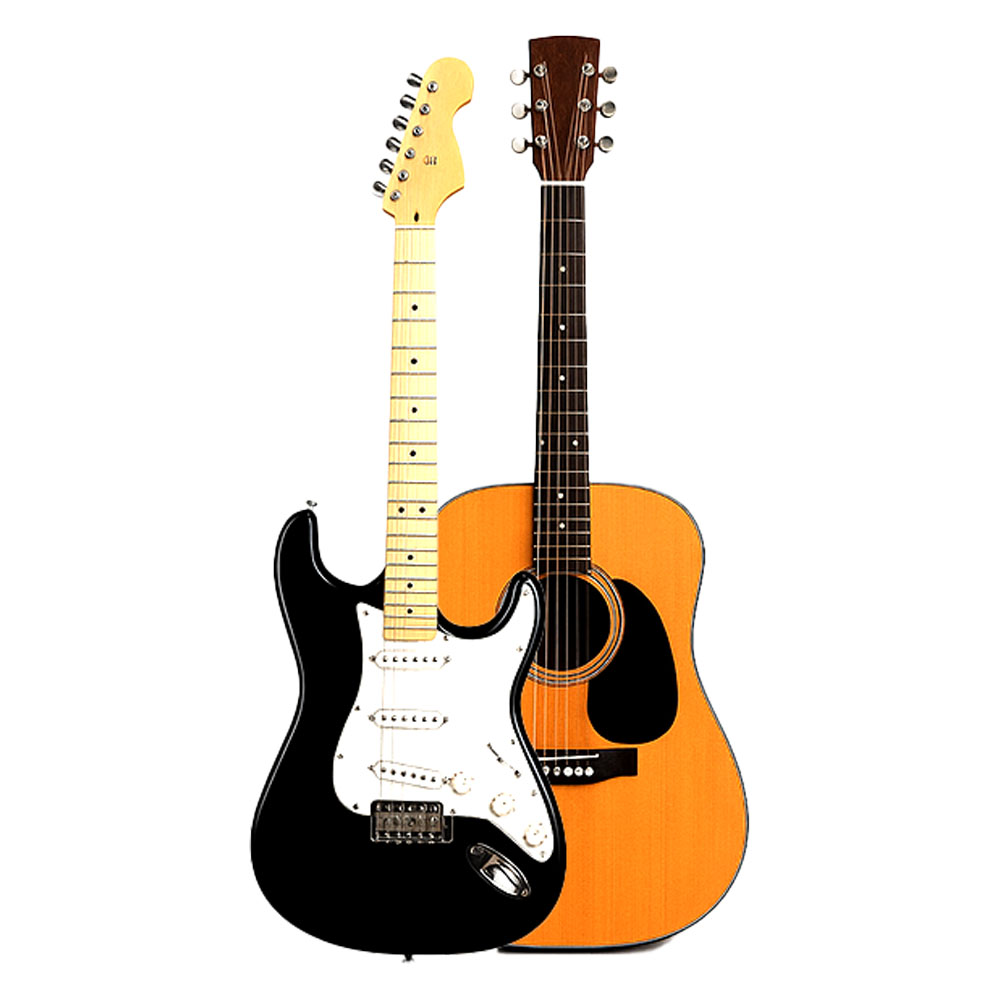
Overview: All-Fourths Tuning Drop D#
This is an intriguing 8-string guitar tuning, aptly named "All-Fourths Tuning Drop D#". It offers a vast tonal landscape, extending from a very deep D# up to a bright E. The core of this tuning, as its name suggests, is built around perfect fourth intervals across most of its strings, making it highly systematic and intuitive for certain playing styles, particularly for bass lines and lead work.
Technical Breakdown:
- Instrument Type: 8-String Guitar
- Open Notes (Low to High): D2#, A2#, D3#, G3#, C4#, F4#, B3, E4
The tuning's structure is predominantly based on perfect fourths, evident in the intervals from String 8 (D2#) up to String 3 (F4#). This consistent interval (D# to A#, A# to D#, D# to G#, G# to C#, C# to F# are all perfect fourths) provides a highly symmetrical fretboard layout for these six strings, simplifying the transposition of melodic phrases and power chords. For example, a power chord shape can be moved across these strings without adjustment, offering great versatility for riffing and heavy genres.
A notable characteristic is the break in the pattern between String 3 (F4#) and String 2 (B3). Instead of a perfect fourth up to B4, String 2 is tuned to B3, creating a diminished fifth (or a large descending interval of 7 semitones) when considered from the perspective of an ascending fourths pattern. This is somewhat analogous to the major third interval between the G and B strings in standard EADGBe tuning, introducing a unique sonic character and requiring a slight adjustment in chord voicings that span this transition.
The final two strings, B3 and E4, return to a perfect fourth interval, providing a familiar high-end resonance.
Open Chords and Playability:
While the full open string voicing (D# A# D# G# C# F# B E) creates a complex harmony that doesn't immediately conform to a standard major or minor chord, the consistency of perfect fourths on strings 8-3, and then 2-1, makes this tuning exceptionally adaptable for specific chord constructions:
- Power Chords: The uniform perfect fourths on strings 8-3 make playing power chords incredibly straightforward and movable. A simple two-finger shape (root and fifth) on adjacent strings will maintain its character as you move it up or down the neck or across these six strings.
- Extended Voicings: The wide range allows for rich, open voicings. Experimenting with suspended chords or partial chords using the D#, A#, and D# (octave) on the lower strings could yield deep, resonant sounds, particularly suitable for ambient or progressive genres.
- Melodic Playing: The all-fourths structure is often favored by jazz and fusion guitarists for its ease in visualizing scales and arpeggios, as patterns remain consistent across a large portion of the fretboard. This tuning extends that benefit to a wider range, ideal for intricate lead lines.
The deep D# low string is perfect for heavy riffs and extended range bass lines, while the high B and E strings provide excellent clarity for solos and melodies.
How to Tune:
This tuning is derived from a common 8-string standard tuning (F# B E A D G B E, low to high). Here's how to adjust your strings:
- String 8 (Lowest): Tune your F# string down 3 semitones to D2#.
- String 7: Tune your B string down 1 semitone to A2#.
- String 6: Tune your E string down 1 semitone to D3#.
- String 5: Tune your A string down 1 semitone to G3#.
- String 4: Tune your D string down 1 semitone to C4#.
- String 3: Tune your G string down 1 semitone to F4#.
- String 2: Keep your B string as is; no change (0 semitones) to B3.
- String 1 (Highest): Keep your E string as is; no change (0 semitones) to E4.
Note on String Gauge: All string adjustments are within a safe range (-3 to 0 semitones). Therefore, a change in string gauge is generally not required for this tuning, but always ensure your guitar's neck relief and intonation are checked after significant tuning changes.
String 8: D2# (Lowest)
String 7: A2#
String 6: D3#
String 5: G3#
String 4: C4#
String 3: F4#
String 2: B3
String 1: E4 (Highest)
Loading an obscene
amount of Chords
Loading an obscene
amount of Scales
Loading Tuning Map
Loading Tuning Data
Comments - have your say on D#A#D#G#C#F#BE
Capos for D#A#D#G#C#F#BE
| Capo | Tuning | Name |
|---|---|---|
| -4 | BF#BEADGC | Chugg'N'Fourths |
| 0 | D#A#D#G#C#F#BE | All-Fourths Tuning Drop D# |
Songs tuned to D#A#D#G#C#F#BE
Know a song in D#A#D#G#C#F#BE?
Please use the below form to submit a song for D#A#D#G#C#F#BE that is not already on gtdb.org.
Videos for D#A#D#G#C#F#BE on














Tuning Map
- Fret
- S8
- S7
- S6
- S5
- S4
- S3
- S2
- S1
- -13
- F
- A#
- D#
- G#
- C#
- F#
- A#
- D#
- -12
- F#
- B
- E
- A
- D
- G
- B
- E
- -11
- G
- C
- F
- A#
- D#
- G#
- C
- F
- -10
- G#
- C#
- F#
- B
- E
- A
- C#
- F#
- -9
- A
- D
- G
- C
- F
- A#
- D
- G
- -8
- A#
- D#
- G#
- C#
- F#
- B
- D#
- G#
- -7
- B
- E
- A
- D
- G
- C
- E
- A
- -6
- C
- F
- A#
- D#
- G#
- C#
- F
- A#
- -5
- C#
- F#
- B
- E
- A
- D
- F#
- B
- -4
- D
- G
- C
- F
- A#
- D#
- G
- C
- -3
- D#
- G#
- C#
- F#
- B
- E
- G#
- C#
- -2
- E
- A
- D
- G
- C
- F
- A
- D
- -1
- F
- A#
- D#
- G#
- C#
- F#
- A#
- D#
- 0
- F#
- B
- E
- A
- D
- G
- B
- E
- 1
- G
- C
- F
- A#
- D#
- G#
- C
- F
- 2
- G#
- C#
- F#
- B
- E
- A
- C#
- F#
- 3
- A
- D
- G
- C
- F
- A#
- D
- G
- 4
- A#
- D#
- G#
- C#
- F#
- B
- D#
- G#
- 5
- B
- E
- A
- D
- G
- C
- E
- A
- 6
- C
- F
- A#
- D#
- G#
- C#
- F
- A#
- 7
- C#
- F#
- B
- E
- A
- D
- F#
- B
- -3
- -1
- -1
- -1
- -1
- -1
- 0
- 0
 © 2026 GTDB