EAD#GBF Guitar Tuner
EAD#GBF | EAE♭GBF Harmonic Tuning - Guitar tuning, chords & scales
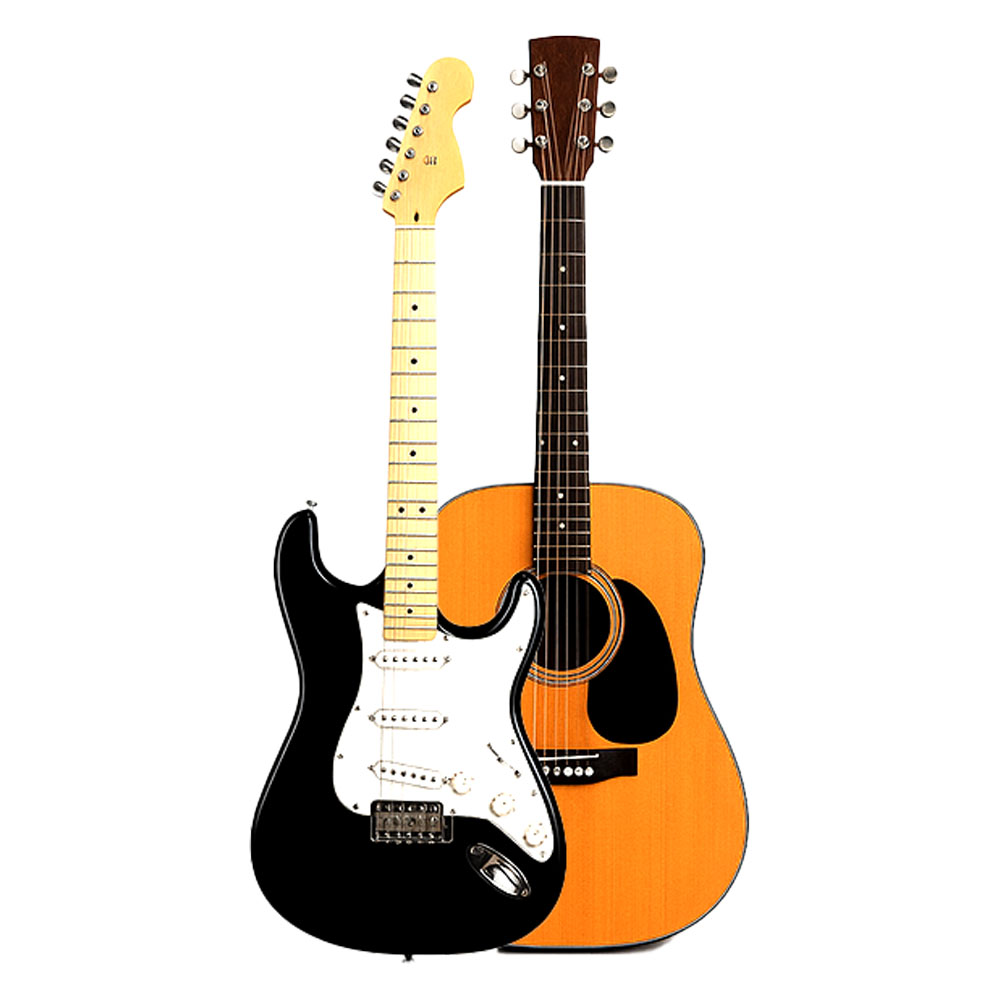
The Harmonic Tuning is an exceptionally experimental and unique setup for the guitar, designed with a specific, unconventional goal in mind: to allow every chromatic note to be played as a harmonic on the strings. This intention, as described by its creator, reflects a "low effort attempt" at achieving a highly specialized sonic landscape rather than a conventional playing experience.
Verbal Analysis
Verbally, this tuning immediately suggests a sound far removed from standard guitar playing. The presence of D♯4 on the fourth string is the most striking feature, creating an extremely high-pitched drone or melodic possibility that contrasts sharply with the lower E2 and A2. This wide intervallic spread creates a sense of tension and openness, making it suitable for avant-garde, atmospheric, or highly percussive and resonant musical styles where traditional harmony might take a backseat to texture and overtone exploration. It's likely to produce ringing, bell-like tones when strummed lightly, but could also generate unusual clusters and dissonance if approached with conventional chord shapes.
Technical Analysis
- Overall Structure: The tuning is E2-A2-D♯4-G3-B3-F4.
- Intervals (from low to high):
- E2 to A2: Perfect Fourth (7 semitones)
- A2 to D♯4: Highly Extended Interval (25 semitones) - This represents a jump of more than two octaves from the A2. This is the most unconventional aspect, placing the D♯ string in an extremely high register relative to its usual position.
- D♯4 to G3: Descending Interval (G3 is 17 semitones below D♯4) - This creates a significant drop in pitch from the fourth to the third string, reversing the usual ascending pattern.
- G3 to B3: Major Third (4 semitones)
- B3 to F4: Tritone (6 semitones) - A dissonant and tension-filled interval.
- Tonal Implications: The presence of D♯ and F, alongside E, A, G, and B, creates a tuning without a clear major or minor key center in its open state. The D♯4 and F4 push the upper register towards a unique harmonic palette. The massive jump on the fourth string (D♯4) makes it behave more like a specialized high-range melodic string or an unusual harmonic anchor rather than a conventional bass or mid-range string.
Chords and Playability
Due to the extreme intervals, particularly the D♯4 and the descending interval to G3, traditional open chords are largely impractical or will sound highly dissonant and experimental. This tuning does not facilitate standard chord shapes but instead encourages exploration of drones, arpeggios, and harmonic possibilities, aligning with its stated purpose. Players may find themselves utilizing two or three-string voicings, open-string harmonics, or melodic lines that leverage the unique intervallic relationships. The low E and A strings provide a familiar bass foundation, but the upper strings drastically alter the harmonic possibilities.
How to Tune
For precise tuning, begin from standard guitar tuning (E2 A2 D3 G3 B3 E4) and make the following adjustments:
- 6th String (Low E): Keep as is; no change (0 semitones). Stays at E2.
- 5th String (A): Keep as is; no change (0 semitones). Stays at A2.
- 4th String (D): Tune up 1 semitone to D♯. According to the target notes provided in the tuning, this string is ultimately meant to reach D♯4. Tuning a standard D3 string up to D♯4 (an increase of 13 semitones) is an extremely significant change in pitch. Caution is advised: Tuning a string this much higher than its intended pitch range will result in extremely high tension and likely require a much lighter gauge string to prevent breakage or damage to the instrument. If you are following the instruction to only tune up 1 semitone, the string will reach D♯3, which does not match the target D♯4 specified in the tuning notes. Please be aware of this potential discrepancy in intent vs. instruction.
- 3rd String (G): Keep as is; no change (0 semitones). Stays at G3.
- 2nd String (B): Keep as is; no change (0 semitones). Stays at B3.
- 1st String (High E): Tune up 1 semitone to F. This takes the E4 string to F4. This is a minor adjustment.
Note on String Gauge: Adjusting a string by more than 4 semitones up or down often requires a different gauge string to maintain optimal playability and avoid excessive tension or looseness. The instruction to tune the 4th string to D♯4, if originating from a standard D3 string, represents an extreme increase in pitch and tension, far exceeding this recommendation. Professional setup and a specialized string gauge would be essential for such a significant modification.
Here are the notes for each string in this Harmonic Tuning:
- 6th String: E2 (Low E)
- 5th String: A2
- 4th String: D♯4
- 3rd String: G3
- 2nd String: B3
- 1st String: F4
Loading an obscene
amount of Chords
Loading an obscene
amount of Scales
Loading Tuning Map
Loading Tuning Data
Comments - have your say on EAD#GBF
Capos for EAD#GBF
| Capo | Tuning | Name |
|---|---|---|
| 0 | EAD#GBF | Harmonic Tuning |
Please use the below form to submit a song for EAD#GBF that is not already on gtdb.org.
Videos for EAD#GBF on








Tuning Map
- Fret
- S6
- S5
- S4
- S3
- S2
- S1
- -13
- D#
- G#
- C#
- F#
- A#
- D#
- -12
- E
- A
- D
- G
- B
- E
- -11
- F
- A#
- D#
- G#
- C
- F
- -10
- F#
- B
- E
- A
- C#
- F#
- -9
- G
- C
- F
- A#
- D
- G
- -8
- G#
- C#
- F#
- B
- D#
- G#
- -7
- A
- D
- G
- C
- E
- A
- -6
- A#
- D#
- G#
- C#
- F
- A#
- -5
- B
- E
- A
- D
- F#
- B
- -4
- C
- F
- A#
- D#
- G
- C
- -3
- C#
- F#
- B
- E
- G#
- C#
- -2
- D
- G
- C
- F
- A
- D
- -1
- D#
- G#
- C#
- F#
- A#
- D#
- 0
- E
- A
- D
- G
- B
- E
- 1
- F
- A#
- D#
- G#
- C
- F
- 2
- F#
- B
- E
- A
- C#
- F#
- 3
- G
- C
- F
- A#
- D
- G
- 4
- G#
- C#
- F#
- B
- D#
- G#
- 5
- A
- D
- G
- C
- E
- A
- 6
- A#
- D#
- G#
- C#
- F
- A#
- 7
- B
- E
- A
- D
- F#
- B
- 0
- 0
- 1
- 0
- 0
- 1
 © 2026 GTDB