ECGDGC Guitar Tuner
ECGDGC Ecgdgc - Guitar tuning, chords & scales
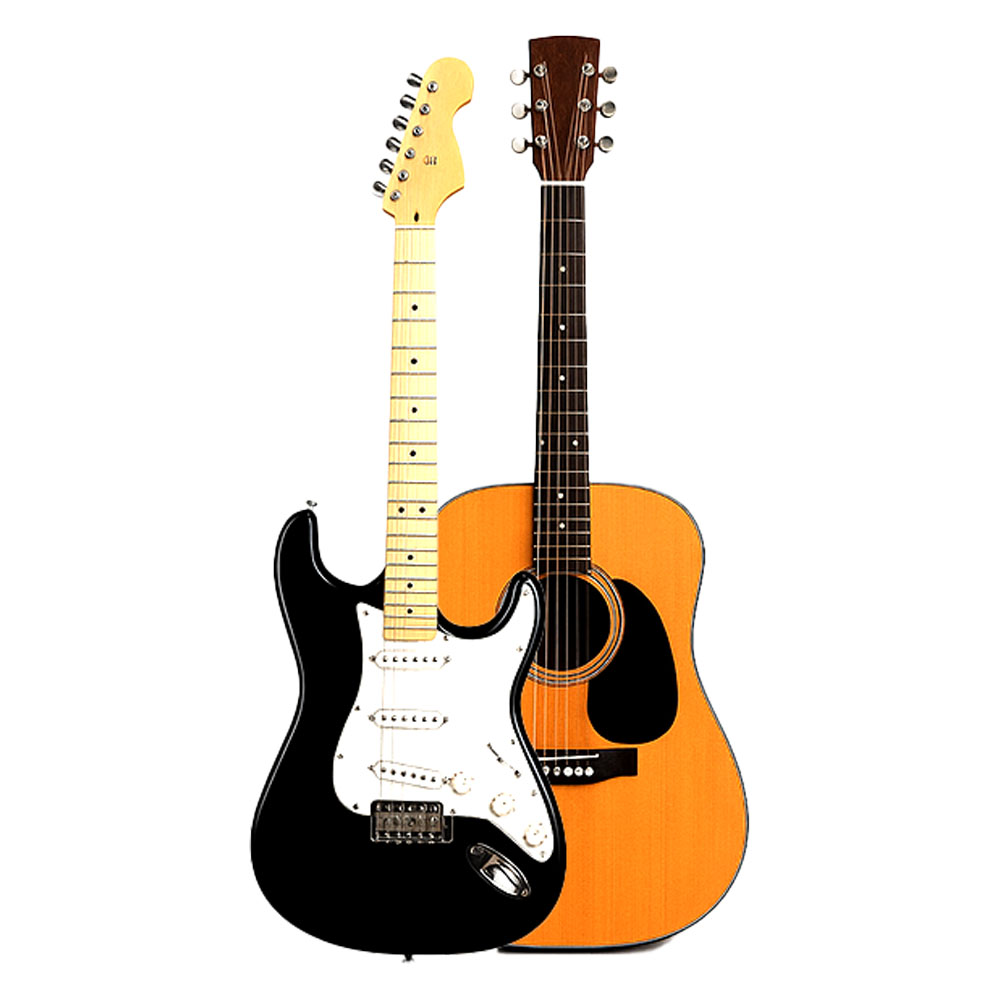
The E-C-G-D-G-C Tuning: A Resonant and Unconventional Soundscape
This unique guitar tuning, often referred to by its open string notes E-C-G-D-G-C, offers a deeply resonant and unconventional soundscape, moving far beyond the standard EADGBe. It's an excellent choice for players looking to explore ambient textures, folk-inspired melodies, or experimental compositions that benefit from open, droning chords and rich harmonics.
Verbal Analysis
From the lowest E string to the highest C, this tuning presents a captivating array of intervals. The immediate impression is one of harmonic richness, largely due to the presence of multiple C and G notes (C3, G3, G3, C4). This creates a natural sustain and resonance, making it ideal for open, ringing chords and droning textures. The overall collection of open notes (E, C, G, D) implies a strong affinity for the keys of C major or G major, providing a natural harmonic foundation for compositions in these tonalities.
While the full six open strings don't immediately form a single, common chord, they combine to suggest a C major 9th chord (C-E-G-D) with an extended low E bass. Players will find open C major chords to be particularly vibrant and full-bodied, effortlessly utilizing the C on the 5th, G on the 4th, and C on the 1st strings. Similarly, G major voicings can be explored with the available G and D notes. A notable feature is the consecutive perfect fourths on the 3rd (D), 2nd (G), and 1st (C) strings, which make it straightforward to play modern-sounding power chords and create compelling melodic lines with parallel harmonies by barring across these strings. The wide interval between the low E (6th string) and the C (5th string) adds a distinctive spaciousness to the lower register, enhancing the tuning's overall open character. This setup encourages a playing style that embraces open string drones and rewards creative exploration beyond traditional barre chord shapes, making it especially well-suited for fingerstyle or slide guitar.
Technical Analysis
- Instrument Type: Guitar
- Open String Notes: E2 C3 G3 D3 G3 C4 (from lowest to highest string)
- Interval Structure (ascending, from 6th to 1st string):
- E2 to C3: Minor 6th (+8 semitones)
- C3 to G3: Perfect 5th (+7 semitones)
- G3 to D3: Perfect 4th Down (-5 semitones)
- D3 to G3: Perfect 4th (+5 semitones)
- G3 to C4: Perfect 4th (+5 semitones)
- Harmonic Characteristics: This tuning is defined by its repetition of G (G3 on 4th and 2nd strings) and C (C3 on 5th and C4 on 1st strings), which significantly enhances resonance and establishes strong tonal centers. The upper strings (D-G-C) are structured in perfect fourths, facilitating modern voicings and melodic patterns. This tuning represents a substantial departure from standard guitar tuning, inviting a fresh and experimental approach to fretboard navigation.
Open String Notes & How to Tune
To achieve the distinctive E-C-G-D-G-C tuning, you will need to adjust your guitar strings from standard EADGBe. Please exercise care when making significant changes to string tension, as some adjustments are considerable.
- String 6 (Low E): Tune to E2. Keep as is; no change (0 semitones).
- String 5 (A String): Tune to C3. This requires tuning up 3 semitones from standard A.
- String 4 (D String): Tune to G3. This requires tuning up 5 semitones from standard D. Caution: Tuning up by 5 semitones is a significant tension increase. A different string gauge is strongly advised to prevent string breakage and potential neck damage.
- String 3 (G String): Tune to D3. This requires tuning down 5 semitones from standard G. Caution: Tuning down by 5 semitones is a substantial decrease in tension. A different string gauge is strongly advised for optimal playability and intonation.
- String 2 (B String): Tune to G3. This requires tuning down 4 semitones from standard B. Caution: Tuning down by 4 semitones is a considerable change. A different string gauge is advised for best performance and to maintain proper string tension.
- String 1 (High E String): Tune to C4. This requires tuning down 4 semitones from standard E. Caution: Tuning down by 4 semitones is a considerable change. A different string gauge is advised for best performance and to maintain proper string tension.
Loading an obscene
amount of Chords
Loading an obscene
amount of Scales
Loading Tuning Map
Loading Tuning Data
Comments - have your say on ECGDGC
Capos for ECGDGC
| Capo | Tuning | Name |
|---|---|---|
| 0 | ECGDGC | Ecgdgc |
Please use the below form to submit a song for ECGDGC that is not already on gtdb.org.
Videos for ECGDGC on



















Tuning Map
- Fret
- S6
- S5
- S4
- S3
- S2
- S1
- -13
- D#
- G#
- C#
- F#
- A#
- D#
- -12
- E
- A
- D
- G
- B
- E
- -11
- F
- A#
- D#
- G#
- C
- F
- -10
- F#
- B
- E
- A
- C#
- F#
- -9
- G
- C
- F
- A#
- D
- G
- -8
- G#
- C#
- F#
- B
- D#
- G#
- -7
- A
- D
- G
- C
- E
- A
- -6
- A#
- D#
- G#
- C#
- F
- A#
- -5
- B
- E
- A
- D
- F#
- B
- -4
- C
- F
- A#
- D#
- G
- C
- -3
- C#
- F#
- B
- E
- G#
- C#
- -2
- D
- G
- C
- F
- A
- D
- -1
- D#
- G#
- C#
- F#
- A#
- D#
- 0
- E
- A
- D
- G
- B
- E
- 1
- F
- A#
- D#
- G#
- C
- F
- 2
- F#
- B
- E
- A
- C#
- F#
- 3
- G
- C
- F
- A#
- D
- G
- 4
- G#
- C#
- F#
- B
- D#
- G#
- 5
- A
- D
- G
- C
- E
- A
- 6
- A#
- D#
- G#
- C#
- F
- A#
- 7
- B
- E
- A
- D
- F#
- B
- 0
- 3
- 5
- -5
- -4
- -4
 © 2026 GTDB