F#ADGCFAD Guitar Tuner
F#ADGCFAD | G♭ADGCFAD 8 String Experimental F# Tuning - Guitar tuning, chords & scales
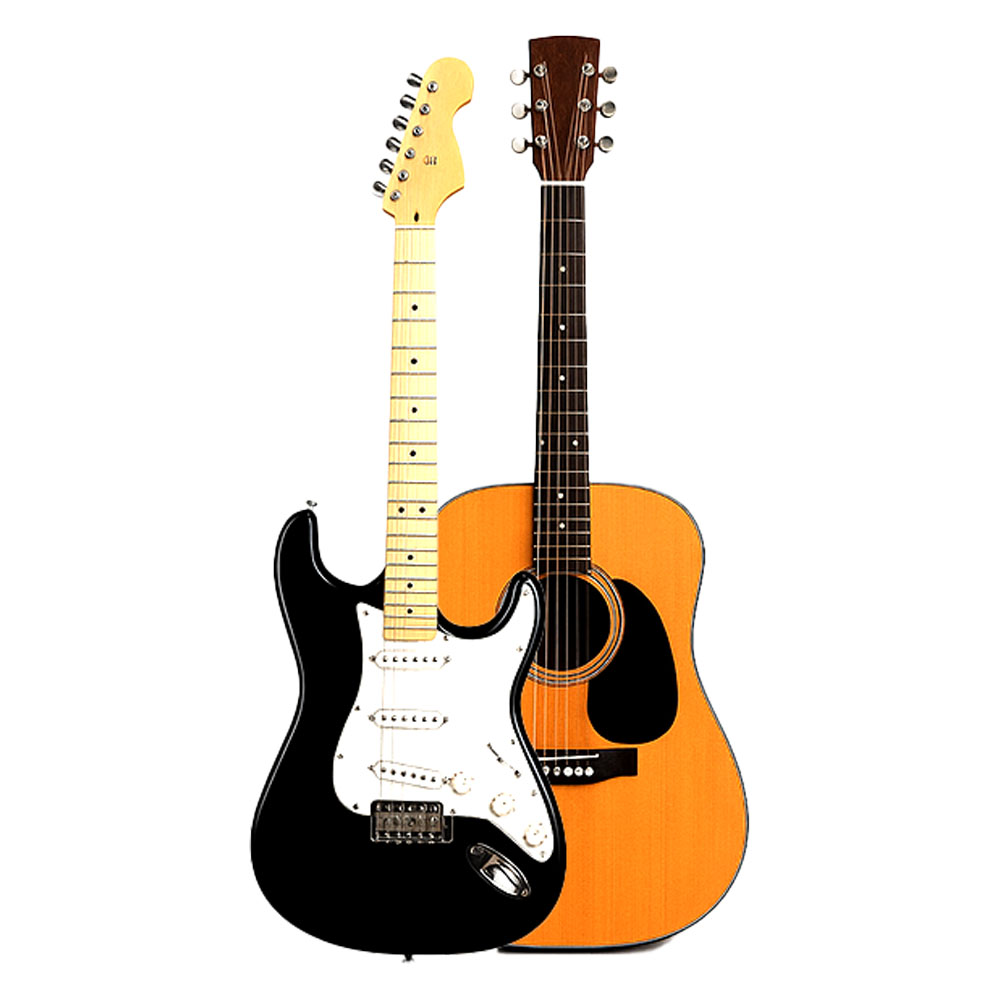
The "8 String Experimental F# Tuning" is an exceptionally deep and unconventional setup for an 8-string guitar, designed for players seeking unique sonic textures and extended low-end range. As its name suggests, this tuning pushes the boundaries of traditional guitar voicings.
Verbal Analysis
At first glance, this tuning promises a profound low end, but its true character lies in its highly non-linear string arrangement. While the deepest stated note is F#2 on String 8, the actual lowest pitch on the instrument is A1, found on String 7. This unexpected order creates a truly "experimental" landscape, where adjacent strings can have widely varying pitches, challenging conventional chord shapes and scale patterns. The description mentions a "minor third interval between 8th and 7th strings," which refers to the F#2 (String 8) and A1 (String 7) relationship. While F#2 to A2 would be a minor third, A1 is an octave lower than A2, resulting in a distinct, unconventional interval that suggests an intended intervallic relationship despite the octave displacement.
The core of the tuning (Strings 7-1, excluding String 8 for a moment) accurately reflects the relative intervals of an A Standard tuning (A-D-G-C-F-A-D), but it is significantly shifted down in octave, making it extremely low. When all open strings are strummed (F#2, A1, D2, G2, C3, F3, A3, D4, ordered by string number), the resulting chord is complex and potentially dissonant. It features both F natural and F# alongside elements of an A minor 7th structure (A-C-F-G). This suggests a tuning not primarily for traditional open chord strumming, but rather for creating dense, atmospheric soundscapes, powerful riffs, or for exploring polytonal harmonies. The extremely low A1 offers a sub-bass foundation, while the unexpected F#2 introduces a tension point that can be leveraged for dramatic effect. Players will find themselves navigating a unique fretboard logic, potentially uncovering new melodic and harmonic possibilities outside standard guitar conventions.
Technical Analysis
- Instrument Type: 8-String Guitar
- String Notes (from thickest/String 8 to thinnest/String 1):
- String 8: F#2
- String 7: A1
- String 6: D2
- String 5: G2
- String 4: C3
- String 3: F3
- String 2: A3
- String 1: D4
- Key Observations:
- Non-Linear Pitch Order: Unconventionally, String 7 (A1) is tuned lower in pitch than String 8 (F#2). This means the lowest actual note on the instrument is A1, not F#2.
- Extreme Low Range: The lowest note, A1, is exceptionally deep, entering sub-bass frequencies. The entire tuning is significantly lower than typical 8-string tunings, providing a truly extended low-end.
-
Intervallic Structure (between adjacent strings, from thickest to thinnest):
- String 8 (F#2) to String 7 (A1): Descending Major 6th (or ascending Major 6th from A1 to F#2). This is a very wide interval, indicating String 7 is tuned significantly lower than String 8.
- String 7 (A1) to String 6 (D2): Perfect 4th (+5 semitones)
- String 6 (D2) to String 5 (G2): Perfect 4th (+5 semitones)
- String 5 (G2) to String 4 (C3): Perfect 4th (+5 semitones)
- String 4 (C3) to String 3 (F3): Perfect 4th (+5 semitones)
- String 3 (F3) to String 2 (A3): Major 3rd (+4 semitones)
- String 2 (A3) to String 1 (D4): Perfect 4th (+5 semitones)
- Complex Open Voicing: The full open string voicing (F#2, A1, D2, G2, C3, F3, A3, D4) creates a sophisticated and often dissonant sound, perfect for modern heavy genres, experimental music, or ambient soundscapes where traditional harmony is not the primary goal.
Here are the target notes for each string, from the thickest (String 8) to the thinnest (String 1):
- String 8: F#2
- String 7: A1
- String 6: D2
- String 5: G2
- String 4: C3
- String 3: F3
- String 2: A3
- String 1: D4
How to Tune
To achieve the "8 String Experimental F# Tuning", follow these instructions for each string based on its current setup. Please ensure you have appropriate string gauges for optimal tension and tone, especially for such a low tuning.
- String 8 (F#2): Keep as is; no change (0 semitones).
- String 7 (A1): Tune down 2 semitones.
- String 6 (D2): Tune down 2 semitones.
- String 5 (G2): Tune down 2 semitones.
- String 4 (C3): Tune down 2 semitones.
- String 3 (F3): Tune down 2 semitones.
- String 2 (A3): Tune down 2 semitones.
- String 1 (D4): Tune down 2 semitones.
Note on String Gauges: While the individual movements here are all within a moderate range (-2 semitones), the overall target pitches for this tuning are exceptionally low. For the lowest strings (especially A1 and D2), very thick gauges are strongly recommended to maintain playability and intonation.
Loading an obscene
amount of Chords
Loading an obscene
amount of Scales
Loading Tuning Map
Loading Tuning Data
Comments - have your say on F#ADGCFAD
Capos for F#ADGCFAD
| Capo | Tuning | Name |
|---|---|---|
| -4 | DFA#D#G#C#FA# | Drop D1 |
| -2 | EGCFA#D#GC | E1 Standard C |
| 0 | F#ADGCFAD | 8 String Experimental F# Tuning |
Songs tuned to F#ADGCFAD
Know a song in F#ADGCFAD?
Please use the below form to submit a song for F#ADGCFAD that is not already on gtdb.org.
Videos for F#ADGCFAD on












Tuning Map
- Fret
- S8
- S7
- S6
- S5
- S4
- S3
- S2
- S1
- -13
- F
- A#
- D#
- G#
- C#
- F#
- A#
- D#
- -12
- F#
- B
- E
- A
- D
- G
- B
- E
- -11
- G
- C
- F
- A#
- D#
- G#
- C
- F
- -10
- G#
- C#
- F#
- B
- E
- A
- C#
- F#
- -9
- A
- D
- G
- C
- F
- A#
- D
- G
- -8
- A#
- D#
- G#
- C#
- F#
- B
- D#
- G#
- -7
- B
- E
- A
- D
- G
- C
- E
- A
- -6
- C
- F
- A#
- D#
- G#
- C#
- F
- A#
- -5
- C#
- F#
- B
- E
- A
- D
- F#
- B
- -4
- D
- G
- C
- F
- A#
- D#
- G
- C
- -3
- D#
- G#
- C#
- F#
- B
- E
- G#
- C#
- -2
- E
- A
- D
- G
- C
- F
- A
- D
- -1
- F
- A#
- D#
- G#
- C#
- F#
- A#
- D#
- 0
- F#
- B
- E
- A
- D
- G
- B
- E
- 1
- G
- C
- F
- A#
- D#
- G#
- C
- F
- 2
- G#
- C#
- F#
- B
- E
- A
- C#
- F#
- 3
- A
- D
- G
- C
- F
- A#
- D
- G
- 4
- A#
- D#
- G#
- C#
- F#
- B
- D#
- G#
- 5
- B
- E
- A
- D
- G
- C
- E
- A
- 6
- C
- F
- A#
- D#
- G#
- C#
- F
- A#
- 7
- C#
- F#
- B
- E
- A
- D
- F#
- B
- 0
- -2
- -2
- -2
- -2
- -2
- -2
- -2
 © 2026 GTDB