F#A#C#FA#C# Guitar Tuner
F#A#C#FA#C# | G♭B♭D♭FB♭D♭ Isato Nakagawa -Tohobijin (Half A Step Down) - Guitar tuning, chords & scales
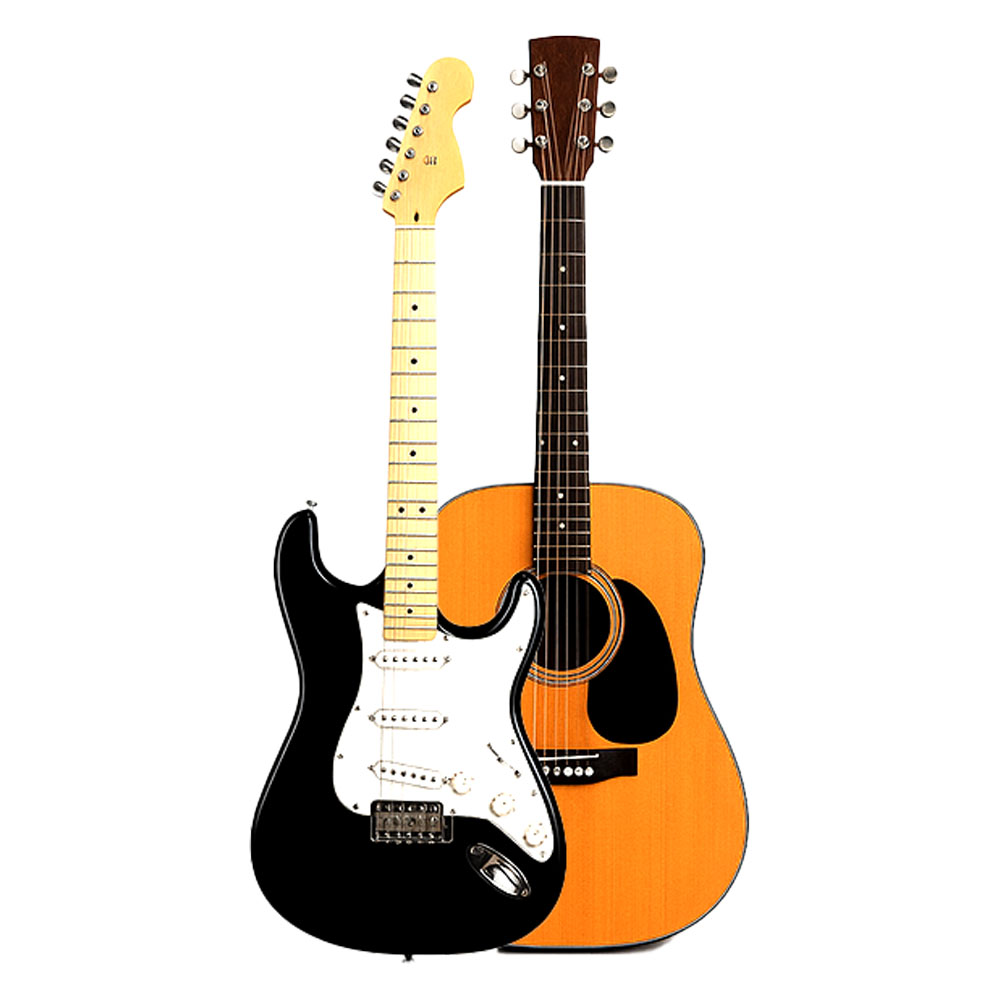
This captivating tuning, named "Isato Nakagawa -Tohobijin (Half a Step Down)," offers a unique sonic landscape, closely related to the original "Tohobijin" tuning but shifted down a half step. It immediately plunges the guitar into a deeper, richer territory, moving away from standard EADGBe in significant ways. The lower strings, in particular, are dramatically altered, creating a foundation for expansive and resonant compositions.
Technical Analysis: Open Chord & Intervals
The open strings are tuned to F#2, A#2, C#4, F3, A#4, C#5 (from 6th to 1st string). A remarkable feature of this tuning is that the open strings themselves form a rich, complex chord: an F# Major 7th (F#, A#, C#, F natural being enharmonically E#). This provides an immediate sophisticated and jazzy foundation for any open strumming or arpeggiated patterns. The two lowest strings (F#2 and A#2) establish a strong major third interval in the bass, giving warmth and depth, while the higher strings fill out the chord with a beautiful voicing. The repeated A# and C# at higher octaves add a ringing sustain and harmonic richness.
Musical Implications & Chordal Shapes
The inherent F# Major 7th chord opens up many possibilities for fingerstyle players and composers. Open position playing will naturally yield lush, full-bodied chords. Minor 7th chords, by simply lowering the third (A# to A natural), would also be easily accessible. Power chords across the lower strings will have an immense, deep resonance due to the extreme downtuning. Players will find that familiar chord shapes need to be re-imagined, but new, interesting voicings will emerge, particularly for chords based around F#.
Practical Considerations: String Gauge
As indicated in the original description, this tuning necessitates careful attention to string gauge. Specifically, the 6th string (tuned down 10 semitones to F#2) and the 5th string (tuned down 11 semitones to A#2) undergo extreme tension reduction. To maintain proper playability, intonation, and prevent string floppiness, using significantly heavier gauge strings for these two lower strings is highly recommended. Lighter gauges would likely buzz excessively and sound thin. The remaining strings, while also lowered, fall within a more manageable range, but a slightly heavier set overall could benefit the tuning's stability and tone.
How to Tune Isato Nakagawa -Tohobijin (Half a Step Down)
To achieve this unique tuning, follow the specific adjustments for each string from standard tuning. Note the significant drops for the lower strings.
- 6th String: Tune down 10 semitones to F#2.
- 5th String: Tune down 11 semitones to A#2.
- 4th String: Tune down 1 semitone to C#4.
- 3rd String: Tune down 2 semitones to F3.
- 2nd String: Tune down 1 semitone to A#4.
- 1st String: Tune down 3 semitones to C#5.
Loading an obscene
amount of Chords
Loading an obscene
amount of Scales
Loading Tuning Map
Loading Tuning Data
Comments - have your say on F#A#C#FA#C#
Capos for F#A#C#FA#C#
| Capo | Tuning | Name |
|---|---|---|
| 0 | F#A#C#FA#C# | Isato Nakagawa -Tohobijin (Half A Step Down) |
| 1 | GBDF#BD | Isato Nakagawa -Tohobijin (G B D F# B D) |
Songs tuned to F#A#C#FA#C#
Know a song in F#A#C#FA#C#?
Please use the below form to submit a song for F#A#C#FA#C# that is not already on gtdb.org.
Videos for F#A#C#FA#C# on


![Clarence by Tianlin [Cover]](https://i.ytimg.com/vi/SsjTXlJD1cA/mqdefault.jpg)









Tuning Map
- Fret
- S6
- S5
- S4
- S3
- S2
- S1
- -13
- D#
- G#
- C#
- F#
- A#
- D#
- -12
- E
- A
- D
- G
- B
- E
- -11
- F
- A#
- D#
- G#
- C
- F
- -10
- F#
- B
- E
- A
- C#
- F#
- -9
- G
- C
- F
- A#
- D
- G
- -8
- G#
- C#
- F#
- B
- D#
- G#
- -7
- A
- D
- G
- C
- E
- A
- -6
- A#
- D#
- G#
- C#
- F
- A#
- -5
- B
- E
- A
- D
- F#
- B
- -4
- C
- F
- A#
- D#
- G
- C
- -3
- C#
- F#
- B
- E
- G#
- C#
- -2
- D
- G
- C
- F
- A
- D
- -1
- D#
- G#
- C#
- F#
- A#
- D#
- 0
- E
- A
- D
- G
- B
- E
- 1
- F
- A#
- D#
- G#
- C
- F
- 2
- F#
- B
- E
- A
- C#
- F#
- 3
- G
- C
- F
- A#
- D
- G
- 4
- G#
- C#
- F#
- B
- D#
- G#
- 5
- A
- D
- G
- C
- E
- A
- 6
- A#
- D#
- G#
- C#
- F
- A#
- 7
- B
- E
- A
- D
- F#
- B
- -10
- -11
- -1
- -2
- -1
- -3
 © 2026 GTDB