F#FBEG#C# Guitar Tuner
F#FBEG#C# | G♭FBEA♭D♭ Coelacanth Tuning - Guitar tuning, chords & scales
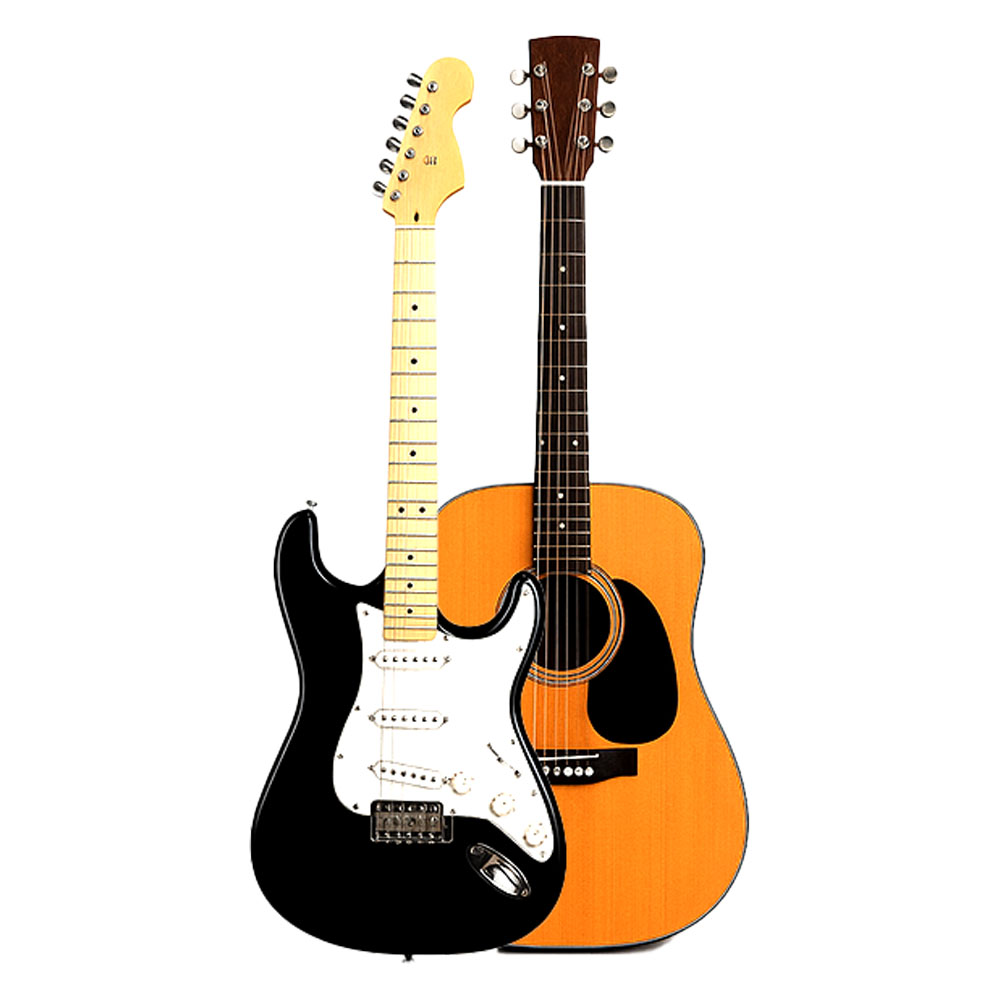
The Coelacanth Tuning is a highly unconventional and deeply resonant tuning for the guitar, conceived out of a desire to explore extreme low-end possibilities and dissonant soundscapes. As its creator describes, it was developed by significantly tuning down from an existing C# Standard setup, pushing the instrument into uncharted sonic territory.
Technical Analysis
This tuning presents a unique and challenging landscape for any guitarist. The open strings are: F#2, F2, B2, E3, G#4, C#5.
Immediately striking is the minor second interval between the 6th string (F#2) and the 5th string (F2). This creates a very heavy, dissonant grind right at the foundation, often associated with genres like death metal, sludge, or experimental music. The intervals ascending from the lowest F#2 are:
- 6th String (F#2) to 5th String (F2): Minor 2nd (downwards, creating a strong clash)
- 6th String (F#2) to 4th String (B2): Perfect 4th
- 6th String (F#2) to 3rd String (E3): Minor 7th
- 6th String (F#2) to 2nd String (G#4): Octave + Major 2nd (a very large jump!)
- 6th String (F#2) to 1st String (C#5): Octave + Perfect 5th
The overall range spans over two and a half octaves, from a very deep F#2 to a bright C#5. The large interval leaps, particularly from the 3rd string (E3) to the 2nd string (G#4), suggest this tuning is not designed for traditional chord voicings but rather for drone, heavy riffs, or intricate single-note lines across a wide register.
Open String Chords & Voicings
While not lending itself to conventional major/minor chords, the open strings offer unique possibilities:
- The lowest two strings (F#2, F2) create a powerful, dissonant rumble, ideal for heavy, detuned power chords by simply muting other strings or using a simple two-finger shape.
- The combination of F#2, B2, E3 suggests a suspended sound, or a fragment of a complex chord (e.g., Bsus4 or F#sus4 with an added E).
- The upper strings (E3, G#4, C#5) form an E major triad in a very wide voicing (E, G#, then C# which is the 6th of E, or the root of a related minor key). This allows for bright, open arpeggios or sustained harmonies against the low-end dissonance.
- Given the extreme low tuning, baritone guitars or guitars with longer scale lengths and heavier gauge strings would be ideal to maintain tension and intonation. Complex fingerings may be required to resolve the dissonance of the lowest two strings into more conventional harmony.
How to Tune
To achieve the Coelacanth Tuning, carefully adjust each string as follows:
- 6th String (Lowest) to F#2: Tune down 10 semitones. Caution: Tuning down 10 semitones is an extreme change. A significantly heavier gauge string is strongly advised to maintain playability and avoid potential intonation issues.
- 5th String to F2: Tune down 4 semitones.
- 4th String to B2: Tune down 3 semitones.
- 3rd String to E3: Tune down 3 semitones.
- 2nd String to G#4: Tune down 3 semitones.
- 1st String (Highest) to C#5: Tune down 3 semitones.
String 6 (Lowest): F#2
String 5: F2
String 4: B2
String 3: E3
String 2: G#4
String 1 (Highest): C#5
Loading an obscene
amount of Chords
Loading an obscene
amount of Scales
Loading Tuning Map
Loading Tuning Data
Comments - have your say on F#FBEG#C#
Capos for F#FBEG#C#
| Capo | Tuning | Name |
|---|---|---|
| 0 | F#FBEG#C# | Coelacanth Tuning |
Please use the below form to submit a song for F#FBEG#C# that is not already on gtdb.org.
Tuning Map
- Fret
- S6
- S5
- S4
- S3
- S2
- S1
- -13
- D#
- G#
- C#
- F#
- A#
- D#
- -12
- E
- A
- D
- G
- B
- E
- -11
- F
- A#
- D#
- G#
- C
- F
- -10
- F#
- B
- E
- A
- C#
- F#
- -9
- G
- C
- F
- A#
- D
- G
- -8
- G#
- C#
- F#
- B
- D#
- G#
- -7
- A
- D
- G
- C
- E
- A
- -6
- A#
- D#
- G#
- C#
- F
- A#
- -5
- B
- E
- A
- D
- F#
- B
- -4
- C
- F
- A#
- D#
- G
- C
- -3
- C#
- F#
- B
- E
- G#
- C#
- -2
- D
- G
- C
- F
- A
- D
- -1
- D#
- G#
- C#
- F#
- A#
- D#
- 0
- E
- A
- D
- G
- B
- E
- 1
- F
- A#
- D#
- G#
- C
- F
- 2
- F#
- B
- E
- A
- C#
- F#
- 3
- G
- C
- F
- A#
- D
- G
- 4
- G#
- C#
- F#
- B
- D#
- G#
- 5
- A
- D
- G
- C
- E
- A
- 6
- A#
- D#
- G#
- C#
- F
- A#
- 7
- B
- E
- A
- D
- F#
- B
- -10
- -4
- -3
- -3
- -3
- -3
 © 2026 GTDB