GADGBE Guitar Tuner
GADGBE GADGBE - Guitar tuning, chords & scales
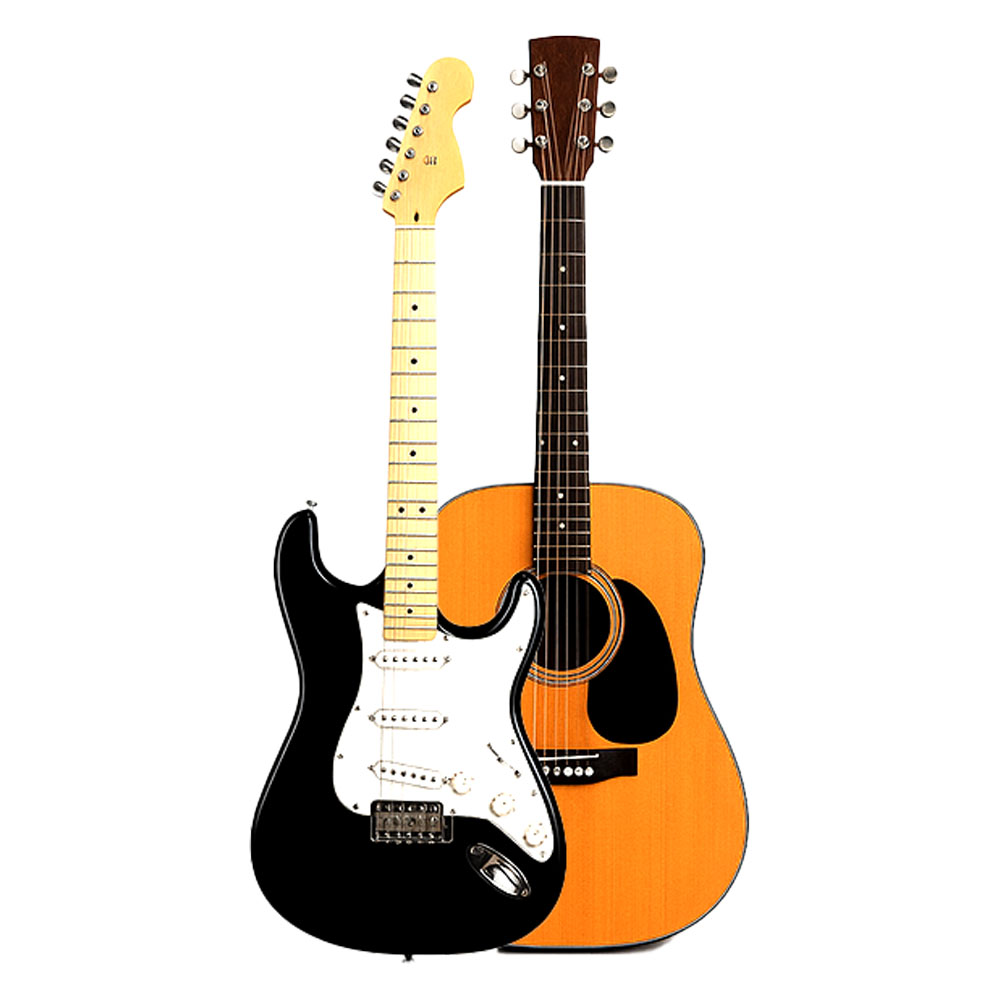
The Raised Low G Standard tuning for Guitar is an intriguing modification of the common Standard EADGBe tuning. As its name suggests, it primarily involves raising the lowest string to a G note, while maintaining the standard intervals for the remaining five strings. This tuning is identified in the original data as GADGBE and is noted for its use in a handful of Unwound songs, suggesting its utility for specific, perhaps drone-like or heavier, sonic textures.
Technical Analysis
The tuning establishes the following open notes from the 6th (lowest) string to the 1st (highest) string:
- String 6: G2 (Originally E2, tuned up 3 semitones)
- String 5: A2 (Standard pitch)
- String 4: D3 (Standard pitch)
- String 3: G3 (Standard pitch)
- String 2: B3 (Standard pitch)
- String 1: E4 (Standard pitch)
The defining characteristic is the low G2, which shifts the harmonic foundation compared to standard tuning. The remaining strings retain their standard pitches, creating a G-A-D-G-B-E configuration.
Verbal Analysis & Open Chords
This tuning doesn't present an immediate, conventional open chord across all six strings, but its unique structure opens up various sonic possibilities:
- Resonance in G: The presence of a low G2 (6th string) and a middle G3 (3rd string) provides a strong harmonic anchor in the key of G. This makes G major and G minor chords particularly resonant and powerful, especially when utilizing the open G strings.
- G Power Chord: The combination of the 6th (G2), 4th (D3), and 3rd (G3) strings forms a robust G power chord (G-D-G), offering a solid foundation for rock and heavy music styles.
- G Major Voicings: By playing the 6th (G2), 4th (D3), 3rd (G3), and 2nd (B3) strings, you can form a rich G major chord. The top three strings (G3-B3-E4) also outline a G major triad (G-B-E) in an interesting inversion, which can sound bright and open.
- Unique Intervals: The G2-A2 interval on the lowest two strings (a whole step) is distinctive. This specific interval can be used for interesting bass lines, drones, or to create tension and release not found in standard tuning. Chords like Cadd9 or Dsus4 might have unique voicings due to the open G and A.
- Exploratory Sound: Given its use by Unwound, this tuning likely encourages exploration beyond typical chord shapes, leaning into ringing open strings, dissonant clusters, or specific melodic and rhythmic patterns that leverage the altered low end.
How to Tune
To achieve the GADGBE tuning from standard EADGBe, follow these steps:
- String 6 (Low E): Tune up 3 semitones from E2 to G2.
- String 5 (A): Keep as is; no change (0 semitones) at A2.
- String 4 (D): Keep as is; no change (0 semitones) at D3.
- String 3 (G): Keep as is; no change (0 semitones) at G3.
- String 2 (B): Keep as is; no change (0 semitones) at B3.
- String 1 (High E): Keep as is; no change (0 semitones) at E4.
Please note that tuning a string up by 3 semitones, while a noticeable increase in tension, is generally manageable with standard string gauges. Always exercise caution when tuning strings up, ensuring not to exceed the string's breaking point or damage your instrument. For movements significantly greater than 4 semitones up or down, considering a different string gauge is often advised, though it is not necessary for this specific tuning.
String 6: G2
String 5: A2
String 4: D3
String 3: G3
String 2: B3
String 1: E4
Loading an obscene
amount of Chords
Loading an obscene
amount of Scales
Loading Tuning Map
Loading Tuning Data
Comments - have your say on GADGBE
Capos for GADGBE
| Capo | Tuning | Name |
|---|---|---|
| 0 | GADGBE | GADGBE |
| 4 | BC#F#BD#G# | Weird Chord |
Please use the below form to submit a song for GADGBE that is not already on gtdb.org.
Videos for GADGBE on















Tuning Map
- Fret
- S6
- S5
- S4
- S3
- S2
- S1
- -13
- D#
- G#
- C#
- F#
- A#
- D#
- -12
- E
- A
- D
- G
- B
- E
- -11
- F
- A#
- D#
- G#
- C
- F
- -10
- F#
- B
- E
- A
- C#
- F#
- -9
- G
- C
- F
- A#
- D
- G
- -8
- G#
- C#
- F#
- B
- D#
- G#
- -7
- A
- D
- G
- C
- E
- A
- -6
- A#
- D#
- G#
- C#
- F
- A#
- -5
- B
- E
- A
- D
- F#
- B
- -4
- C
- F
- A#
- D#
- G
- C
- -3
- C#
- F#
- B
- E
- G#
- C#
- -2
- D
- G
- C
- F
- A
- D
- -1
- D#
- G#
- C#
- F#
- A#
- D#
- 0
- E
- A
- D
- G
- B
- E
- 1
- F
- A#
- D#
- G#
- C
- F
- 2
- F#
- B
- E
- A
- C#
- F#
- 3
- G
- C
- F
- A#
- D
- G
- 4
- G#
- C#
- F#
- B
- D#
- G#
- 5
- A
- D
- G
- C
- E
- A
- 6
- A#
- D#
- G#
- C#
- F
- A#
- 7
- B
- E
- A
- D
- F#
- B
- 3
- 0
- 0
- 0
- 0
- 0
 © 2026 GTDB