G#D#G#D#GD# Guitar Tuner
G#D#G#D#GD# | A♭E♭A♭E♭GE♭ Open D#5 - Guitar tuning, chords & scales
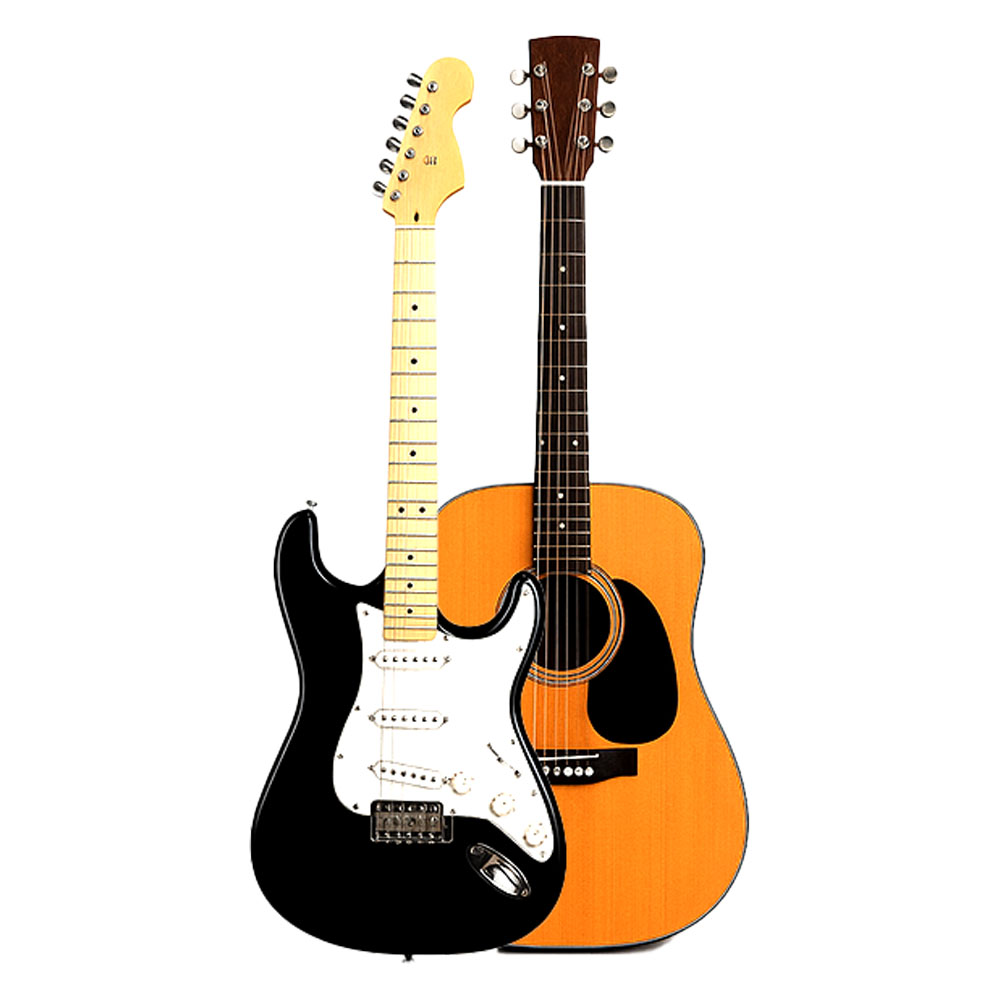
Description: Open D#5 Tuning for Baritone Guitar
The Open D#5 tuning, specifically designed for a baritone guitar, is a deep and resonant open tuning that immediately evokes a powerful, driving sound. It leans heavily into low-end frequencies, making it ideal for genres like metal, hard rock, or any style requiring a robust, full sonic presence. While the name suggests a D# power chord, the actual open string configuration creates a massive, almost orchestral wall of sound, particularly with its lowest note being G#.
Verbal Analysis
This tuning provides a thunderous foundation, excellent for heavy riffing and expansive soundscapes. Strumming the open strings delivers a rich, thick chord with a dominant character. The deep fundamental notes make it incredibly effective for drone-based music, allowing for intricate melodies to be played over a sustained, low rumble. The baritone scale length further enhances the depth and sustain, producing a truly formidable sound that commands attention. The presence of the G natural on the second string adds a distinctive bluesy or raw edge, moving it beyond a simple power chord into a more harmonically complex territory.
Technical Analysis
The open string notes are configured as follows:
- String 6 (low E equivalent): G2#
- String 5 (A equivalent): D3#
- String 4 (D equivalent): G3#
- String 3 (G equivalent): D4#
- String 2 (B equivalent): G3
- String 1 (high E equivalent): D5#
While named 'Open D#5', the lowest note of this tuning is G#2. Interpreting the open strings from the lowest note, the chord formed is essentially a G#7 (G# - D# - G) without a 3rd (B#), making it a powerful G# dominant 7th chord. The open chord structure is a formidable combination of roots and fifths (G# and D#), repeated across multiple octaves (G#2, D#3, G#3, D#4, D#5). The G3 on the second string is a notable characteristic; relative to G#, it functions as a minor 7th, giving the overall open chord a strong dominant quality. This G natural also creates a dissonant minor 2nd interval with the G#3 on the adjacent string 4, which can be leveraged for tension or a bluesy feel in chord voicings and melodic lines.
Chordal Possibilities & Reach
This tuning excels in several areas:
- Power Chords: Barring a single fret across the lower strings (e.g., strings 6-4 or 5-3) will instantly yield thick, resonant power chords based on G# or D#. This makes heavy, driving riffs incredibly easy to execute.
- Drone & Resonance: The repeated G# and D# notes across octaves provide a rich, sustained drone, perfect for ambient textures or as a foundation for melodic lines.
- Minor 7th Voicings: The open G3 string can be used to easily create G#7 (no 3rd) type chords, offering a bluesy or dominant harmonic flavor that is readily available.
- Sliding Chords: The parallel nature of some intervals makes sliding chords up and down the neck very effective, creating dynamic and impactful movements with minimal effort.
- Exploration of Dissonance: The G natural on string 2, especially when combined with the G# notes, allows for interesting dissonant voicings that can be explored for more experimental or heavy sounds.
How to Tune
To achieve the Open D#5 tuning from standard E Standard tuning, follow these adjustments. Please exercise caution, especially with significant downward tuning, as excessive slack can affect playability. For movements exceeding negative 4 or positive 4 semitones, considering a different string gauge might be advisable for optimal tension and tone.
- String 6 (Low E): Tune down 8 semitones to G2#. (Note: Tuning down 8 semitones is a significant adjustment; a heavier gauge string is strongly advised for better tension and tone.)
- String 5 (A): Tune down 6 semitones to D3#. (Note: Tuning down 6 semitones is a significant adjustment; a heavier gauge string is strongly advised for better tension and tone.)
- String 4 (D): Tune down 6 semitones to G3#. (Note: Tuning down 6 semitones is a significant adjustment; a heavier gauge string is strongly advised for better tension and tone.)
- String 3 (G): Tune down 4 semitones to D4#. (Note: Tuning down 4 semitones is a significant adjustment; consider a heavier gauge string.)
- String 2 (B): Tune down 4 semitones to G3. (Note: Tuning down 4 semitones is a significant adjustment; consider a heavier gauge string.)
- String 1 (High E): Tune down 1 semitone to D5#.
String 6: G2#
String 5: D3#
String 4: G3#
String 3: D4#
String 2: G3
String 1: D5#
Loading an obscene
amount of Chords
Loading an obscene
amount of Scales
Loading Tuning Map
Loading Tuning Data
Comments - have your say on G#D#G#D#GD#
Capos for G#D#G#D#GD#
| Capo | Tuning | Name |
|---|---|---|
| 0 | G#D#G#D#GD# | Open D#5 |
Please use the below form to submit a song for G#D#G#D#GD# that is not already on gtdb.org.
Videos for G#D#G#D#GD# on










Tuning Map
- Fret
- S6
- S5
- S4
- S3
- S2
- S1
- -13
- D#
- G#
- C#
- F#
- A#
- D#
- -12
- E
- A
- D
- G
- B
- E
- -11
- F
- A#
- D#
- G#
- C
- F
- -10
- F#
- B
- E
- A
- C#
- F#
- -9
- G
- C
- F
- A#
- D
- G
- -8
- G#
- C#
- F#
- B
- D#
- G#
- -7
- A
- D
- G
- C
- E
- A
- -6
- A#
- D#
- G#
- C#
- F
- A#
- -5
- B
- E
- A
- D
- F#
- B
- -4
- C
- F
- A#
- D#
- G
- C
- -3
- C#
- F#
- B
- E
- G#
- C#
- -2
- D
- G
- C
- F
- A
- D
- -1
- D#
- G#
- C#
- F#
- A#
- D#
- 0
- E
- A
- D
- G
- B
- E
- 1
- F
- A#
- D#
- G#
- C
- F
- 2
- F#
- B
- E
- A
- C#
- F#
- 3
- G
- C
- F
- A#
- D
- G
- 4
- G#
- C#
- F#
- B
- D#
- G#
- 5
- A
- D
- G
- C
- E
- A
- 6
- A#
- D#
- G#
- C#
- F
- A#
- 7
- B
- E
- A
- D
- F#
- B
- -8
- -6
- -6
- -4
- -4
- -1
 © 2026 GTDB